inquiry
Leave Your Message
0%

Many global buyers tend to see a Mist Sprinkler mostly as just a simple nozzle and pipe setup. However, in real life, how well it performs really depends on things like water pressure, water quality, droplet size, coverage area, and how accurately it’s installed. For instance, something that works great in a humid greenhouse might totally underperform in a dry, coastal warehouse. That's why it’s super important to carefully evaluate the product before making a decision.

In this guide, I’ll share ten practical tips for buying Mist Sprinklers—especially for importers, distributors, growers, or project contractors. We’ll cover stuff like nozzle materials, flow rates, operating pressure, filtration, anti-drip features, mounting options, and whether spare parts are easy to find. Reliable manufacturers should be transparent about their specs, offer clear guidance on how to use their products, provide test data, and have a consistent track record of quality. Experience with the supplier also counts. A good question to ask is how the product performed in climates similar to yours.

Little details really do matter. A clogged nozzle, for example, can cause dry patches in just a few hours. Poor pressure control can lead to uneven droplets, wet leaves, or wasting water unnecessarily. Also, pay attention to packaging—especially if the product has delicate parts—since it needs to survive long-distance transit. And don't forget, good technical support shouldn’t just vanish after you make the sale; you should be able to rely on it down the line.

That said, no checklist can eliminate every risk. Sometimes, product data doesn’t tell the whole story about real-world conditions, and the skills of the installer can make or break the final result. We should be honest about these limitations.

Basically, these tips are about more than just comparing flashy claims—they’re about looking at evidence. They can help you find the right supplier, plan for maintenance, and estimate long-term operating costs. Remember, choosing the cheapest option isn’t usually the best move. The real winner is the one that offers proven performance, quality materials, solid service, and a realistic fit for what you actually need.
10 Mist Sprinkler Buying Tips for Global Buyers

Define Mist Sprinklers and Their Main Applications

Define Mist Sprinklers and Their Main Applications

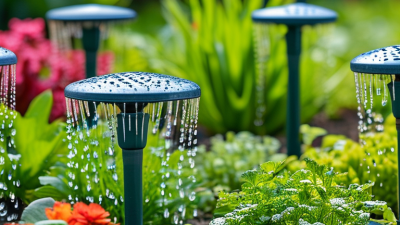
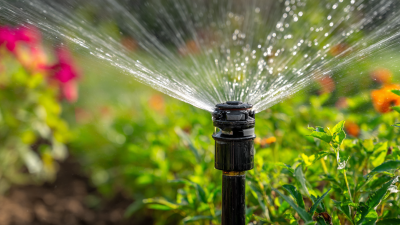
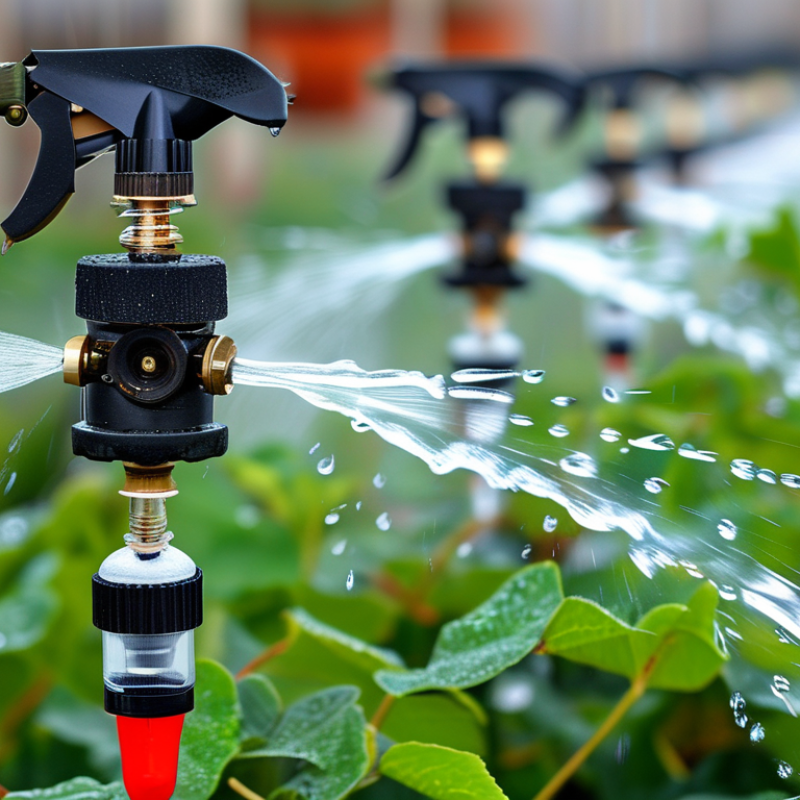
Mist Sprinklers discharge very fine droplets through specialized nozzles. Droplet size varies by pressure, nozzle design, and water quality. In practice, many systems produce droplets below 1 millimeter. This differs from a conventional Water Sprinkler, which usually applies larger drops over wider areas. Mist is designed to float briefly, cool surfaces, or maintain humidity.

Greenhouses use Mist Sprinklers for seed germination, cutting propagation, and summer cooling. A short spray can moisten a leaf without flooding a seed tray. Poultry houses and livestock facilities may use mist for heat relief, but airflow and drainage must be checked carefully. Outdoor nurseries also use mist during transplanting, especially when roots cannot absorb water quickly.

Water efficiency matters. FAO AQUASTAT reports that agriculture accounts for roughly 70% of global freshwater withdrawals. That figure makes nozzle control important, not decorative. The 2024 UN World Water Development Report also identifies agriculture as a major pressure on freshwater resources. Buyers should test filtration, pressure stability, wind drift, and spray uniformity before ordering large quantities. Tiny nozzles clog easily. I have seen clean water become cloudy after poor pipe flushing.

Mist is not automatically efficient. High pressure can increase drift and energy use. Low pressure can create uneven coverage. The correct application depends on climate, crop stage, water chemistry, and ventilation. That distinction is easy to miss.

Match Sprinkler Types to Climate, Crops, and Operating Conditions

Choosing a Mist Sprinkler begins with the field, not the catalogue. Hot, dry climates increase evaporation, so use fine droplets only during calm, cooler periods. In windy areas, larger droplets and lower spray heights usually improve delivery. Coastal farms may also need corrosion-resistant materials because salty air shortens component life.

Match the pattern to the crop canopy. Seedlings and leafy greens often benefit from gentle, uniform mist that prevents soil crusting. Orchards may require stronger throw and adjustable nozzles beneath wider canopies. Avoid excessive wetting on grapes, tomatoes, and other crops sensitive to prolonged leaf moisture. Disease pressure can rise quickly.

Operating conditions matter just as much. Check water pressure at the farthest sprinkler, not only near the pump. Dirty water demands accessible filters and easy-clean nozzles. Small nozzles can clog fast. I once selected a fine mist system for a dusty nursery, and cleaning took longer than expected. That choice looked efficient on paper.

Automation can support short irrigation cycles, but sensors still need local adjustment. Measure wind, pressure, and wetting depth across several zones before ordering large quantities. Ask for flow-rate data, spray diameter, material specifications, and replacement-part availability. A sprinkler that performs well in a test plot may fail beside a hot road or under uneven pressure. Leave room for field evidence.

10 Mist Sprinkler Buying Tips for Global Buyers

Match Sprinkler Types to Climate, Crops, and Operating Conditions

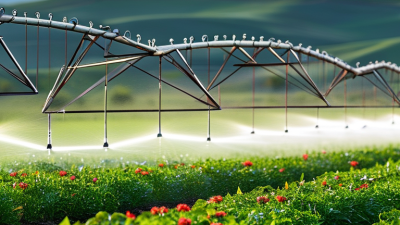
Typical water application efficiency varies by sprinkler design and operating conditions. Micro-sprinklers and mist systems are generally suitable for orchards, nurseries, vegetables, and low-pressure applications, while center pivots and solid-set systems are more appropriate for larger field crops. Wind, pressure stability, nozzle selection, soil infiltration, and maintenance can significantly affect actual performance.

Values are representative midpoints of commonly reported agricultural irrigation efficiency ranges; field results depend on climate, crop layout, system design, and operating practices.

Evaluate Nozzle Performance, Coverage, and Droplet Size

10 Mist Sprinkler Buying Tips for Global Buyers

Nozzle performance starts with measured discharge, not catalogue promises. Compare flow rates at the pressures your fields actually use. ISO 15886-3:2017 provides test methods for agricultural sprinkler performance. Ask for pressure-flow curves, wetted-diameter results, and catch-can uniformity data.

One test is not enough. Wind changes everything. The same nozzle may produce a neat pattern indoors but leave dry strips outdoors. Check the Christiansen Uniformity Coefficient across several operating pressures.

Also inspect filtration needs, wear resistance, and spare-nozzle consistency. A small orifice can clog quickly in surface water.

Coverage should match soil intake, crop spacing, and local weather. The UN World Water Development Report 2024 states that agriculture uses about 70% of global freshwater withdrawals. That figure makes distribution accuracy commercially important, not merely technical.

Droplet size deserves equal attention. Very fine droplets drift and evaporate under hot, windy conditions. Very large droplets may create runoff, crusting, or soil displacement.

Request droplet-size data, preferably including volume median diameter and test conditions. Laser measurements can look precise. Field behavior may still differ.

Test at several pressures and wind speeds before approving a shipment. A practical field trial should record rainfall depth at multiple points, not just visual wetting.

Keep the rejected results. They often reveal installation errors, pressure losses, or unrealistic assumptions.

Check Materials, Durability, and Resistance to Clogging

10 Mist Sprinkler Buying Tips for Global Buyers

Material choice shapes service life more than appearance. UV-stabilized engineering polymers resist sunlight, while stainless steel or brass components tolerate pressure and handling. Check seal compatibility with local water chemistry. A strong body can still fail through a swollen gasket. In field inspections, I have seen inexpensive seals crack before the nozzle showed wear. That detail is easy to miss.

Clogging deserves equal attention. Mist outlets have tiny passages, so sand, algae, and mineral scale can stop an otherwise reliable system. Ask for the recommended filtration level, flushing method, and replacement-nozzle cost. A removable screen helps maintenance, but it is not magic. Test samples with the actual water source, especially borehole water. FAO AQUASTAT reports that agriculture accounts for roughly 70% of global freshwater withdrawals, making efficient irrigation increasingly important. Less waste begins with stable spray performance.

Durability claims should include evidence. Request pressure-cycle results, UV-aging data, operating-temperature limits, and material specifications. The U.S. Environmental Protection Agency’s WaterSense guidance emphasizes inspection, maintenance, and uniform irrigation performance. Those principles apply across markets. Look for clear test conditions, not vague words like “premium” or “heavy duty.” I would also compare spray distribution after repeated cleaning. It may not look perfect. That imperfection can reveal whether the nozzle recovers after blockage.

Compare Water Pressure, Flow Rate, and System Compatibility

Pressure is the first buying filter for any Irrigation And Sprinkler project. A nozzle designed for 3 bar may spray unevenly at 1.5 bar. Measure static pressure, then test pressure while several zones operate. A pressure gauge and simple flow meter reveal more than a product label. The U.S. EPA WaterSense program reports that landscape irrigation can represent nearly one-third of residential water use, so poor calibration quickly becomes expensive.

Tip: Match flow rate to supply capacity. Add the flow of every nozzle in one zone, then compare it with the available liters per minute. FAO AQUASTAT data shows agriculture uses about 70% of global freshwater withdrawals, making efficient distribution increasingly important. Still, efficiency is not only about using less water. A weak pump can create dry patches, while excessive flow causes runoff and puddles.

Tip: Check system compatibility before ordering. Confirm pipe diameter, connector standards, filtration needs, controller voltage, and pump limits. A pressure regulator may protect delicate components, but it cannot repair an undersized supply line. In practical testing, I would inspect the farthest sprinkler first; it often exposes hidden pressure loss. I have also seen matching thread sizes fail because sealing surfaces differed. That detail is easy to miss. Leave room for doubt, and test one zone before purchasing every component.

10 Mist Sprinkler Buying Tips for Global Buyers - Compare Water Pressure, Flow Rate, and System Compatibility

Tip Buying Dimension What to Check Typical Reference Data System Compatibility Practical Buying Guidance
1 Operating Water Pressure Confirm the pressure range required to produce a fine mist rather than large droplets. 2.0–7.0 bar
(29–102 psi)
Low-pressure and high-pressure systems require different nozzles, tubing, filters, and fittings. Choose a sprinkler whose rated pressure range overlaps the actual pressure available at the installation point.
2 Flow Rate per Nozzle Compare water consumption at a stated pressure; flow rate normally increases as pressure rises. 0.2–1.5 L/min
per nozzle
Verify that the pump, supply pipe, valve, and controller can support the combined flow of all active nozzles. Calculate total demand before purchase: total flow = nozzle flow × number of operating nozzles.
3 Droplet Size and Mist Quality Look for published droplet-size data or a clear description of the intended application. Approximately 50–200 μm
for fine mist applications
Fine mist requires clean water and suitable pressure; excessive pressure or a damaged nozzle can alter spray quality. Use finer droplets for cooling or humidity control, but avoid wind-exposed locations where drift may increase.
4 Coverage and Spray Pattern Check spray angle, effective radius, mounting height, and recommended nozzle spacing. 60°, 90°, 120°, or 180°
common spray angles
Corner, edge, and center positions may require different spray angles to prevent dry areas and overspray. Compare the actual layout with the manufacturer’s coverage chart instead of judging coverage by nozzle angle alone.
5 Water Filtration Check the nozzle’s recommended filter rating and the quality of the incoming water. Typically 50–120 mesh
depending on nozzle orifice
Small-orifice mist nozzles are more sensitive to sand, scale, and organic particles than ordinary Irrigation Sprinklers. Install a suitable upstream filter and include a flush point for easier maintenance.
6 Connection Size and Thread Standard Confirm thread type, nominal size, hose diameter, and whether adapters are required. 1/8 in, 1/4 in, and 3/8 in
connections are common
Thread standards may differ between markets; common examples include BSP and NPT, which are not automatically interchangeable. Specify the connection standard in the purchase order and request dimensional drawings when importing internationally.
7 Material and Corrosion Resistance Evaluate exposure to sunlight, fertilizer, treated water, salt, and outdoor temperature changes. UV-stabilized polymer, brass,
stainless steel, or mixed construction
Material selection should match water chemistry and the pressure rating of the complete assembly. For coastal or chemically aggressive environments, prioritize corrosion-resistant wetted components and replaceable seals.
8 Pressure Regulation and Zoning Determine whether the installation needs a regulator, pressure-compensating nozzle, solenoid valve, or multiple zones. Keep pressure variation
within the stated operating range
Long pipe runs and elevation changes can create uneven pressure and inconsistent mist output. Divide large installations into zones when the available pump capacity cannot supply all nozzles simultaneously.
9 Control, Timing, and Water Efficiency Check compatibility with timers, solenoid valves, sensors, and automatic shut-off controls. Short pulse cycles may reduce
runoff and overspray
Controllers must be compatible with the valve’s voltage, such as low-voltage irrigation control systems. Use interval operation, wind or humidity sensors, and proper scheduling where local regulations or water scarcity require conservation.
10 Maintenance and Replacement Parts Review nozzle cleaning procedures, seal replacement, spare-part availability, and expected service intervals. Inspect regularly; clean or replace
when flow pattern changes
A system is easier to maintain when nozzles, filters, gaskets, and connectors are individually replaceable. Request a parts list, installation instructions, pressure-flow charts, and warranty terms before placing a large order.

Note: Reference values are general industry ranges. Actual performance depends on nozzle orifice size, operating pressure, water quality, pipe length, elevation, temperature, and installation design.

Verify Certifications, Standards, and Export Requirements

When buying Irrigation Sprinkler Heads, verify documents before comparing prices. FAO’s AQUASTAT data reports that agriculture uses about 70% of global freshwater withdrawals. Efficient equipment therefore needs credible performance evidence, not attractive packaging. Ask for the applicable ISO 15886 standard, test procedures, nozzle flow data, pressure ranges, and material specifications. A certificate without a matching model number is a warning sign.

Check whether an accredited laboratory issued the test report. ISO/IEC 17025 accreditation supports laboratory competence, while ISO/IEC 17065 applies to product certification bodies. ISO’s 2023 Survey recorded more than 1.2 million ISO 9001 certificates worldwide, but quality-system certification does not automatically prove sprinkler performance. The distinction matters. I have seen buyers accept a factory certificate that covered a different product family. That mistake can become expensive.

Export compliance also depends on the destination. Confirm HS classification, country-of-origin documents, commercial invoices, packaging marks, and language requirements. Products entering regulated markets may need conformity declarations, electrical documentation, or chemical-material disclosures. CE marking is relevant only when applicable legislation requires it. Request a shipment-specific document pack before payment. Include operating pressure, connection size, flow rate, and spray-radius tolerances. Small missing details create large disputes. The practical weakness is that standards may not fully reflect field conditions, especially with dirty water or uneven pressure. Ask for independent test data under realistic conditions, then compare it with local irrigation rules and installation practices.

Assess Suppliers, Pricing, Logistics, Installation, and After-Sales Support

Tip: Assess the supplier before comparing prices. Request product drawings, material details, test records, and recent export references. A reliable supplier should explain nozzle flow, working pressure, coverage, and expected service life clearly. Ask how they control production quality between batches. A polished sample can hide inconsistent performance.

Tip: Calculate the complete Lawn Sprinkler cost, not only the unit price. Include tooling, packaging, inland transport, freight, insurance, duties, spare nozzles, and payment fees. Compare quotations with the same specifications. A cheaper offer may use thinner fittings or exclude important accessories. I once overlooked replacement parts in a cost sheet. That small omission affected the real budget.

Tip: Confirm logistics and installation details early. Check carton dimensions, pallet limits, lead time, port options, and shipping documents. Ask whether the supplier can provide pressure charts, connection diagrams, and installation videos. Local installers still need clear guidance. Water pressure varies between sites, so a fixed layout may require adjustment. Discuss seasonal storage and winter drainage where freezing conditions exist. After sales support matters too. Request a response timetable, spare-part policy, troubleshooting process, and warranty conditions in writing. Test one shipment before scaling up. Mistakes are easier to correct on a small order.

FAQS

: How should climate influence sprinkler selection?

: Hot, dry climates increase evaporation. Use fine droplets during calm, cooler periods. Wind changes everything.

What works better in windy fields?

Larger droplets usually resist drift better. Lower spray heights can improve delivery and reduce losses. Results still vary.

Which sprinkler pattern suits different crops?

Seedlings and leafy greens need gentle, uniform mist. Orchards may need stronger throw and adjustable nozzles beneath wide canopies.

How can growers avoid excessive leaf wetting?

Limit prolonged moisture on grapes, tomatoes, and similar sensitive crops. Wet leaves can increase disease pressure quickly.

Where should water pressure be measured?

Check pressure at the farthest sprinkler, not only near the pump. Uneven pressure can create different flow rates across zones.

What problems can dirty water cause?

Dirty water can clog small nozzles quickly. Choose accessible filters and easy-clean components. Cleaning takes time.

Can automation solve irrigation problems?

Automation supports short cycles, but sensors need local adjustment. Measure wind, pressure, and wetting depth across several zones.

What documents should buyers request?

Request test procedures, flow-rate data, pressure ranges, spray diameter, material details, and replacement-part information. Match certificates to the exact model.

What should be checked before international shipment?

Confirm classification, origin documents, invoices, packaging marks, and language requirements. Some destinations may require conformity or material disclosures.

Why is field testing still necessary?

A test plot may not reflect hot roads, dusty water, or uneven pressure. Test several zones before ordering large quantities. The paper looked efficient.

Conclusion

Choosing the right Mist Sprinkler is essential for efficient irrigation, crop protection, and climate control in agriculture, horticulture, landscaping, and greenhouse operations. Global buyers should first match the sprinkler design to local climate, crop requirements, water quality, and operating conditions. Key factors include nozzle performance, spray coverage, droplet size, uniformity, and the ability to deliver the right moisture without excessive runoff or plant damage. Materials should be durable, corrosion-resistant, and designed to reduce clogging during long-term use.

Buyers should also compare required water pressure, flow rate, connection types, and compatibility with existing irrigation systems. Before placing an order, verify relevant certifications, product standards, testing documents, and export requirements for the destination market. A reliable supplier should offer consistent quality, transparent pricing, practical logistics support, clear installation guidance, spare parts, and responsive after-sales service. Evaluating these details together helps international customers select a dependable solution that improves water efficiency, simplifies maintenance, and supports stable performance across different applications.

Sophia

Sophia

Sophia is a dedicated marketing professional at Yuyao Sun-rainman Irrigation Equipment Factory, an innovative enterprise established in 2005. With a strong focus on research, development, and production, the company specializes in water-saving irrigation and water purification equipment. Sophia......
Previous What is a Sprinkler Nozzle and How to Choose the Right One?