In the world of industrial cleaning and water management, you’ve probably heard about Rotor Nozzles. They really play a key role. I remember chatting with John Smith, a well-known expert in fluid dynamics, who basically said that "Rotor Nozzles are essential if you want the best performance when working with water-driven tools." His insights really highlight how efficient these nozzles can be.
Rotor Nozzles work by delivering water at high pressure, which boosts their cleaning power. This makes them super important in industries like manufacturing and agriculture. The design helps spread water evenly, so surfaces get really cleaned. But, and here’s the thing—their performance isn’t always perfect. Some users have mentioned that the water pressure can be inconsistent, especially when conditions change.
Getting a good handle on the pros and cons of Rotor Nozzles is pretty important if you’re in the game. With advice from pros like Smith, companies can figure out how to use and care for these nozzles better. It’s all about making smarter choices when it comes to maintenance and operation, you know?

What are Rotor Nozzles? An Overview of Their Definition and Purpose
Rotor Nozzles are essential components in modern irrigation systems. They play a key role in delivering water efficiently and uniformly across various landscapes. Unlike traditional spray nozzles, Rotor Nozzles employ a rotating mechanism to distribute water. This allows for broader coverage, making them ideal for large areas such as sports fields and golf courses. According to the Irrigation Association, effective water management in irrigation can reduce water usage by up to 30%.
The design of Rotor Nozzles allows for adjustable arc settings and flow rates. This customization is crucial for optimizing water use based on specific landscape needs. Studies indicate that a well-implementedRotor Sprinkler system can improve water efficiency and reduce runoff significantly. However, not every installation achieves these efficiencies. Issues like improper placement or maintenance can lead to uneven water distribution, resulting in dry spots and over-watered areas.
In recent reports, it was noted that more than 50% of landscape water is lost due to inefficient irrigation practices. Rotor Nozzles can mitigate this challenge, but only if they are used correctly. Their effectiveness relies on proper calibration and routine checks. Attention to detail in installation can greatly enhance performance and sustainability in irrigation practices.
The Mechanics Behind Rotor Nozzles: How They Operate
Rotor Nozzles are an innovative component in various spraying technologies. These nozzles function by spinning fluid, creating a fine mist or spray pattern. This design allows for better coverage and efficiency in applications like agriculture and industrial cleaning. The mechanics behind Rotor Nozzles involve the interaction of fluid dynamics and rotational forces. When fluid enters the rotor, centrifugal force pushes it outward, breaking it into smaller droplets.
Understanding the operation of Rotor Nozzles involves grasping their unique design principles. The rotor's speed and shape influence the droplet size and distribution. Higher speeds tend to produce finer sprays. The adjustment of fluid pressure also plays a critical role in achieving desired results. While these nozzles are efficient, they require careful calibration. Inadequate adjustments can lead to uneven coverage or wasted resources. Moreover, choosing the right mode of operation is essential for optimal performance.
Despite their advantages, Rotor Nozzles have limitations. For instance, they might not perform well in highly viscous fluids. Users must evaluate their needs carefully. In practice, experimentation is often required to reach the best setup. This iterative process can help in understanding how to maximize the capabilities of Rotor Nozzles effectively.
Types of Rotor Nozzles: A Comparative Analysis of Design Variations
Rotor Nozzles play a crucial role in irrigation systems. They are designed to efficiently distribute water over a large area. Their design varies significantly, which impacts their performance and application. Understanding these variations is essential for selecting the right type for specific needs.
There are several types of rotor nozzles, each tailored for different environments. Some are fixed, while others are adjustable. Fixed nozzles provide a consistent spray pattern but lack flexibility. Adjustable nozzles offer versatility but can complicate the setup process. Rotor Sprinkler Heads often fall into this adjustable category, emphasizing the need for precise calibration for optimal performance.
Not all designs work equally well in every situation. Some may clog easily, reducing efficiency. Others might underperform if not correctly matched to the terrain. This variability can lead to overwatering or underwatering. Exploring these design choices is vital for any irrigation strategy.
Applications of Rotor Nozzles in Various Industries and Their Benefits
Rotor nozzles are essential in various industries, particularly in agriculture and manufacturing. They efficiently distribute water or chemicals with precision. In agriculture, Rotor Irrigation systems enhance crop yields while conserving water. These nozzles ensure an even distribution of water, preventing over-saturation or dry spots in fields.
In manufacturing, rotor nozzles are used for cleaning and cooling. They effectively remove debris from surfaces without damaging them. Their design allows for adjustable spray patterns, accommodating diverse operational needs. The ability to manipulate the water flow can lead to optimized production processes, ultimately saving time and resources.
When implementing rotor nozzles, consider the pressure and flow rate. Properly configured equipment increases efficiency. Regular maintenance is vital; clogged nozzles can lead to uneven application. Stay informed about the latest technology to enhance performance and make the most out of your rotor systems. The benefits are clear, but continuous evaluation of your setup is key to long-term success.
Key Performance Metrics: Measuring Efficiency and Effectiveness of Rotor Nozzles
Rotor nozzles are innovative devices used in various industries for fluid management. They optimize the performance of systems by providing precise spray patterns and flow rates. To evaluate their effectiveness, several key performance metrics come into play.
Efficiency is a primary measure. This metric assesses how well a rotor nozzle converts input energy into useful work, minimizing waste. Adjustments in nozzle design can improve efficiency, but finding the right balance is crucial. Effectiveness, on the other hand, measures the nozzle's ability to perform its intended function, such as delivering a uniform spray. Inconsistent performance can stem from design flaws or operational misuse, requiring ongoing evaluation.
Understanding wear and tear is vital. Over time, rotor nozzles can degrade, affecting both efficiency and effectiveness. Regular maintenance and inspections help identify problems before they escalate. This highlights the importance of a systematic approach to measurement. Employing these metrics ensures reliable performance, but challenges remain. Continuous monitoring and adaptation are essential to achieve optimal operation in diverse applications.
Technical Innovations in Rotor Nozzle Design: Trends and Future Directions
Technical innovations in rotor nozzle design have become critical in water-efficient irrigation systems. Recent reports indicate that the agricultural sector is shifting toward more sustainable practices. According to the Irrigation Association, over 70% of irrigation systems now employ advanced rotor nozzles. These innovations enhance water distribution, reduce evaporation, and optimize plant growth.
One notable trend is the development of variable arc and radius technology in rotor nozzles. This technology allows for customized coverage, minimizing water waste. In areas with different plant types, tailored nozzle configurations ensure efficient watering. A study from the American Society of Agricultural and Biological Engineers highlighted that these technologies can improve water savings by up to 30%. Despite these advancements, many users struggle to select the right Pop Up Rotor Sprinkler Heads for their specific needs.
Looking forward, the integration of smart technology into rotor nozzle design is gaining traction. IoT-enabled systems monitor soil moisture and adjust watering schedules automatically. While promising, there are challenges. Not every farmer has access to reliable internet or smart devices. This gap could hinder the effectiveness of modern nozzle innovations. Addressing these obstacles will be key for future advancements in rotor nozzle technology.
Trends in Rotor Nozzle Technology
Maintenance and Troubleshooting of Rotor Nozzles: Best Practices for Longevity
Rotor nozzles play an essential role in various industrial applications, but they require proper maintenance to ensure optimal performance. Regular inspection is crucial. Look for signs of wear or damage. Corrosion can affect their efficiency. A small crack might lead to bigger issues over time.
Tips: Clean rotor nozzles regularly. Remove any build-up to maintain optimal spray patterns. Use soft brushes for delicate parts. Avoid harsh chemicals that might damage the nozzles.
Additionally, lubrication is important for moving parts. Check the manufacturer's guidelines for suitable lubricants. Over-lubrication can cause unwanted residue. This residue can clog nozzles and disrupt flow.
Tips: Perform lubrication checks quarterly. Monitor the environment around the nozzle for dust and contaminants. Maintaining a clean workspace can prolong the life of rotor nozzles. Pay attention to these details, as neglect can lead to costly repairs.
Exploring the 12AN Nozzles by INOVATO: Adjustable Arc Sprinkler Innovation for Efficient Irrigation
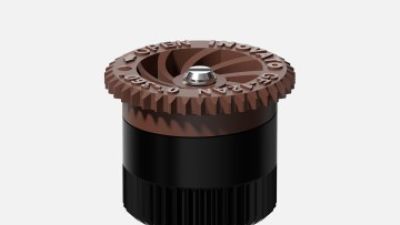
The FN-12AN nozzle stands out in the irrigation market with its innovative adjustable arc feature, which allows an arc range from 0° to 360°. This flexibility is not just a convenience; it enhances the efficiency of water distribution across different landscape types, including turfgrass, shrubs, and garden areas. According to the latest industry reports, the ability to adjust the spray pattern can lead to a significant reduction in water wastage, as it allows for tailored irrigation that meets the specific needs of various plant types.
The FN-12AN's 3.7m radius is particularly beneficial for larger garden layouts where targeted watering is essential for maximizing plant health while minimizing resource use. A well-optimized irrigation system can improve crop yields by 15% to 30%, according to agricultural efficiency studies. The nozzle's brown finish not only provides an aesthetic appeal but also integrates seamlessly into natural settings, which is increasingly important as landscapes are designed with both beauty and functionality in mind.
As suppliers and landscapers seek high-quality solutions that offer both performance and style, products like the FN-12AN are becoming a preferred choice in the irrigation market. The demand for efficient irrigation systems continues to rise, driven by water scarcity issues and the need for sustainable landscaping practices. The FN-12AN nozzle exemplifies how innovation in design can meet these challenges head-on, providing an effective tool for modern irrigation needs.
FAQS
: Rotor nozzles create fine mist or spray patterns for better coverage and efficiency in spraying applications.
They spin fluid, using centrifugal force to break it into smaller droplets, enhancing spray efficacy.
The rotor's speed and shape significantly affect droplet size and distribution; higher speeds yield finer sprays.
Improper calibration can lead to uneven coverage and wasted resources; proper adjustments are essential for optimal results.
They may struggle with highly viscous fluids; careful evaluation and experimentation are needed for effective use.
Regularly inspect for wear, clean build-up, and lubricate moving parts according to guidelines for longevity.
Look for cracks or corrosion; small problems can escalate into bigger issues if not addressed.
It prevents performance degradation and costly repairs; consistent inspection maintains efficiency and effectiveness.
Proper lubrication prevents clogging, but over-lubrication can create unwanted residue that disrupts flow.
Continuous evaluation and adjustment are necessary; dust, contaminants, and environmental conditions must be considered.
Conclusion
Rotor nozzles are specialized devices engineered to optimize fluid dynamics in various industrial applications. They function by controlling the direction and velocity of fluid flow, enhancing efficiency in processes such as irrigation, cooling systems, and manufacturing operations. This article delves into the mechanics of rotor nozzles, exploring their design variations and how these differences impact performance across industries.
The comparative analysis highlights various types of rotor nozzles and their specific applications, showcasing their benefits, such as improved efficiency and reduced operational costs. Moreover, key performance metrics are discussed to measure their effectiveness, alongside recent technological innovations that are shaping the future of rotor nozzle design. Finally, best practices for maintenance and troubleshooting are provided to ensure the longevity and optimal performance of these crucial components.