When it comes to watering your garden or landscape, the Sprinkler Nozzlereally plays a crucial part in making sure water gets where it needs to go, efficiently. I spoke with John Smith over at Irrigation Solutions, and he told me, “The right Sprinkler Nozzle can seriously make a difference in how evenly your water is distributed and how much you end up saving.” That just goes to show how important it is to really understand how these nozzles work.
Basically, a Sprinkler Nozzle can produce either a fine mist or a more solid stream of water, depending on its design. There are all sorts of different types out there, each suited for specific landscaping needs. Picking the right one can mean healthier plants and less water waste—something we all want, right? But honestly, a lot of folks just overlook this part, and that can lead to watering results that aren’t quite optimal.
And here’s the thing: choosing the perfect Sprinkler Nozzle isn’t always as simple as it sounds. With so many options out there, it’s easy to get overwhelmed. My advice? Don’t be afraid to test out a few kinds before settling on one. Taking a little time to choose wisely will pay off—your plants will thank you, and you'll also be saving some resources along the way.
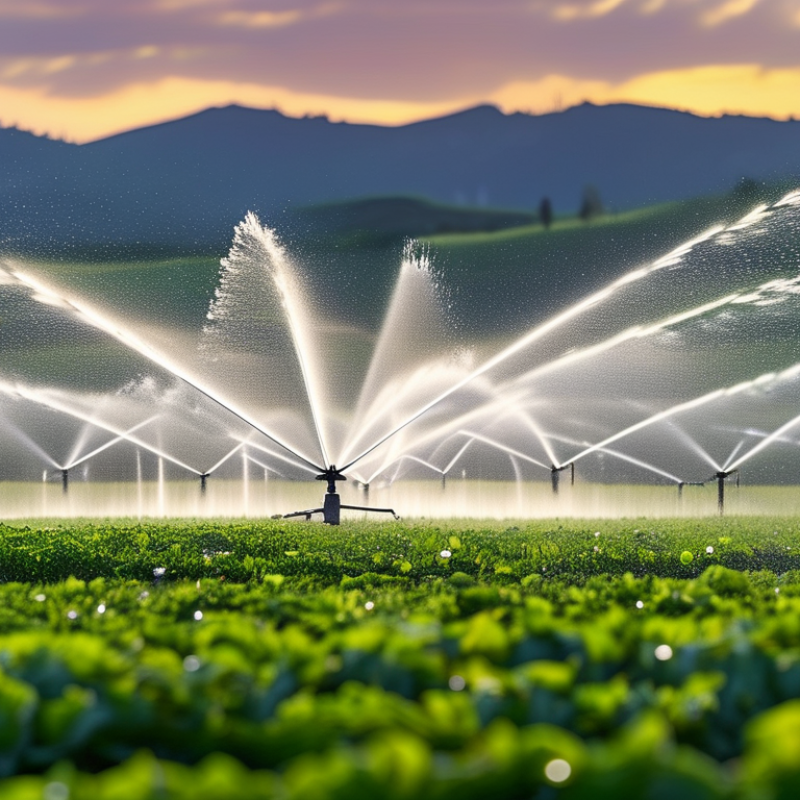
What is a Sprinkler Nozzle?
A Sprinkler Nozzle is a crucial component in irrigation systems. It controls the way water is distributed over a specific area. The nozzle creates a spray pattern, which can be adjusted to meet various needs. According to industry reports, the right nozzle can improve water efficiency by up to 30%. This is vital as efficient water use is increasingly important due to rising concerns about global water scarcity.
There are different types of nozzles available. Some create a fine mist, while others produce a heavy stream. The choice depends on the landscape and plant types being watered. Research indicates that improper nozzle selection can lead to uneven watering. Factors like pressure, flow rate, and desired coverage must be considered. There's no one-size-fits-all solution.
In many cases, users overlook the need for maintenance. A clogged nozzle can significantly reduce performance. Regular checks and cleaning can ensure optimal functionality. Misalignment in nozzle positioning can further lead to water wastage. It's essential to evaluate the system regularly for effectiveness. All these details contribute to a well-functioning irrigation setup that supports plant health.
Types of Sprinkler Nozzles and Their Applications
Sprinkler Nozzles come in various types, each serving unique applications. The most common types include fixed spray nozzles, rotating nozzles, and drip nozzles. Fixed nozzles are popular for smaller lawns and gardens. They deliver uniform coverage but can waste water if not positioned correctly. According to industry data, about 30% of residential water usage goes to landscape irrigation, highlighting the need for efficiency.
Rotary Nozzle Sprinkler provide a different approach. They rotate to distribute water over a larger area, minimizing overspray and runoff. Research indicates that they can reduce water usage by up to 30% compared to traditional fixed nozzles. This efficiency makes them suitable for larger landscapes. However, they can require more maintenance due to their moving parts.
Drip nozzles are another effective option, often used for garden beds and crops. They deliver water directly to the root zone, reducing evaporation. This targeted application is crucial, especially in drought-prone regions. Despite their benefits, installing drip systems can be complex, requiring careful planning. Each nozzle type presents its own set of pros and cons, necessitating thoughtful consideration based on specific landscape needs.
How Sprinkler Nozzles Function: A Mechanical Perspective
Sprinkler Nozzles play a crucial role in irrigation systems. Their main function is to distribute water evenly over areas that need hydration. Understanding how they work from a mechanical perspective sheds light on their importance. Each nozzle has a specific design tailored to deliver water in various patterns and flow rates. Some spray in a fine mist, while others produce a steady stream.
The mechanics behind Sprinkler Nozzles involve physics principles such as pressure and velocity. When water passes through the nozzle, it accelerates. This acceleration causes the water to atomize, creating different droplet sizes. A well-designed nozzle can minimize water waste while ensuring even coverage. However, not all nozzles perform perfectly. Factors like soil type and wind can affect their efficiency, leading to uneven watering.
While choosing a nozzle, it's tempting to focus only on the type. However, installation and maintenance play equally significant roles. Misalignment or clogs can severely compromise function. Regular checks can prevent such issues. Ultimately, understanding these elements can significantly enhance irrigation effectiveness.
Factors Influencing Nozzle Performance and Efficiency
When considering Sprinkler Nozzles, various factors influence their performance and efficiency. The design of theRotary Nozzle Sprinkler Head plays a crucial role. Its unique structure allows for a more uniform water distribution, which is essential in preventing dry patches in your garden. Water pressure can also significantly impact how well the nozzle functions. Insufficient pressure may lead to inconsistent spray patterns, wasting time and resources.
Another factor to examine is the nozzle's flow rate. High flow rates can result in oversaturation in certain areas while leaving others dry. This uneven watering can be counterproductive. Choosing the right nozzle type, such as a Rotary Nozzle Sprinkler Head, can enhance water effectiveness. However, in practice, many gardeners overlook adjusting the nozzle settings based on specific landscape needs.
Environmental conditions can’t be ignored either. Wind, temperature, and humidity levels can alter how water is sprayed. This variability can lead to water loss through evaporation or drift. It’s essential to assess these factors continuously to optimize your watering strategy. Regular maintenance of the nozzle ensures optimal performance, yet many miss out on this vital task.
Installation Guidelines for Sprinkler Nozzles
Installing a sprinkler nozzle correctly is crucial for effective irrigation. It can significantly improve water distribution across your lawn or garden. Professional landscapers recommend evaluating the layout of your space first. Measuring the area ensures that the appropriate type of nozzle is selected. Using the right nozzle can increase your water efficiency by as much as 30%, according to reports from the Irrigation Association.
When installing a Pop Up Nozzle Sprinkler, check the water pressure and flow rate. These factors determine the nozzle's performance. Aim for a pressure between 30 to 50 PSI for optimal efficiency. During installation, ensure that the nozzles are spaced correctly to avoid overlapping coverage. Improper spacing can lead to dry spots or overwatering, leading to wastage. Remember, not all nozzles are the same; each type serves different purposes based on plant needs and environment.
Monitoring and adjusting the spray pattern is often overlooked. Regular checks can catch issues early, preventing excess water use. Furthermore, cleaning the nozzles periodically can prolong their lifespan. Accumulation of dirt can block outlets, leading to decreased performance. Taking time to understand these factors can minimize mistakes and improve the overall effectiveness of your sprinkler system.
Maintenance Tips for Optimal Sprinkler Nozzle Functionality
Maintaining your sprinkler nozzle is crucial for effective irrigation. Regular checks can prevent clogs that lead to inefficient water use. Cleaning the nozzle once a month helps maintain optimal performance. Use a soft brush or cloth to remove dirt and debris. A gentle approach prevents damage while enhancing functionality.
Adjusting your sprinkler system is also essential. Make sure it covers the intended areas without overspray. Aiming the nozzle can reduce water waste and improve coverage. Sometimes, uneven water distribution may reveal underlying issues in the system.
Remember to inspect for wear and tear. Cracks can compromise functionality. Replacing old or damaged nozzles can ensure reliable performance. It’s easy to overlook this step, but it is necessary for consistent results. Regular maintenance can boost your system's efficiency, leading to lush, green lawns.
What is a Sprinkler Nozzle and How Does It Work? - Maintenance Tips for Optimal Sprinkler Nozzle Functionality
| Nozzle Type | Application | Flow Rate (GPM) | Recommended Pressure (PSI) | Maintenance Frequency |
| Fixed Spray | Flower Beds | 1.5 - 3.0 | 30 - 40 | Monthly |
| Rotary | Large Lawn Areas | 2.5 - 5.0 | 40 - 60 | Quarterly |
| Drip | Vegetable Gardens | 0.5 - 2.0 | 20 - 30 | Bi-Annually |
| Mist | Seedling Areas | 1.0 - 3.0 | 25 - 35 | Monthly |
| Impact | Agricultural Fields | 5.0 - 10.0 | 50 - 70 | Annually |
Common Problems and Solutions for Sprinkler Nozzles
Sprinkler nozzles can face several common issues that affect their efficiency. One issue is clogging. Dirt and debris can block the opening, reducing water flow. Regular maintenance is essential. Cleaning the nozzle periodically can prevent this problem. You might find that a simple rinse can solve many clogging issues. However, stubborn clogs may require more attention.
Another common problem is uneven water distribution. This can lead to patches of dry grass in your yard. When this happens, adjusting the Water Spray Nozzle can help. Sometimes, altering the angle or height of the nozzle brings better coverage. Consider testing the spray pattern after adjustments. It's important to inspect the nozzle for wear and tear, as damaged nozzles might need replacement.
Lastly, leaking nozzles can waste water. A leak can be a slow drip or a steady stream, and both are inefficient. Inspecting the nozzle for signs of wear is crucial. Tightening connections or replacing seals may be necessary. In some cases, it may be wise to replace the entire nozzle. Problems can happen even with routine use. Reflecting on these common issues can improve your sprinkler system's performance.
Performance of Different Sprinkler Nozzles
This chart displays the water distribution efficiency of various types of sprinkler nozzles. Understanding the performance of different nozzles can help in selecting the right one for optimal irrigation practices.
Maximizing Agricultural Efficiency: The Impact of China HF02-12 Gear Drive Sprinkler on Crop Yields and Water Utilization
The HF02-12 Gear Drive Sprinkler represents a significant advancement in agricultural irrigation technology, aimed at maximizing crop yields while enhancing water utilization. This innovative irrigation solution features an adjustable range from 50° to 360°, allowing for tailored watering applications that cater to a variety of crop types and landscapes. With its integrated eight standard nozzles and four low-angle nozzles, the HF02-12 can effectively address the specific watering needs of turfgrass, shrubs, and gardens, ensuring optimal moisture levels for robust plant growth.
By optimizing water distribution, the HF02-12 helps farmers and gardeners achieve improved efficiency in their irrigation practices. The versatile capabilities of this gear drive sprinkler facilitate a more sustainable approach to agriculture, as precise watering not only promotes healthier crops but also conserves valuable water resources. The ease of use and adaptability of the HF02-12 make it an indispensable tool for anyone seeking to enhance their irrigation systems, contributing to higher productivity and sustainable land management.
FAQS
: A sprinkler nozzle controls water distribution in irrigation systems. It creates a spray pattern to meet watering needs.
Improper selection can lead to uneven watering. Factors like pressure and flow rate must be considered carefully.
Using the right nozzle can increase efficiency by up to 30%. This is crucial amid concerns about water scarcity.
Common types include fixed, rotating, and drip nozzles. Each has specific applications and benefits for landscapes.
Regular checks and cleaning are needed. Monthly cleaning helps prevent clogs and maintains performance.
Aim nozzles for targeted coverage. Proper alignment reduces overspray and water waste during use.
Clogged nozzles reduce efficiency and can lead to uneven watering. It’s easy to overlook this issue.
Drip nozzles target root zones directly. This method reduces evaporation and is effective in drought areas.
Inspect for cracks or wear. Replacing old nozzles ensures consistent performance and reliable watering.
Regular evaluation is key. This helps ensure all components work properly, supporting plant health effectively.
Conclusion
A sprinkler nozzle is a crucial component in irrigation systems, designed to distribute water efficiently and effectively across various landscapes. Different types of sprinkler nozzles cater to specific applications, whether for residential lawns, agricultural fields, or golf courses. Understanding how these nozzles function mechanically can help users select the right type for their needs and ensure optimal performance.
Several factors influence the performance and efficiency of sprinkler nozzles, including water pressure, nozzle design, and environmental conditions. Proper installation and regular maintenance are vital for the longevity and functionality of these nozzles. Users should be aware of common problems that can arise, such as clogging or uneven water distribution, and know the solutions to these issues to maintain an effective watering system. By keeping these aspects in mind, one can maximize the benefits of utilizing a sprinkler nozzle in their irrigation practices.