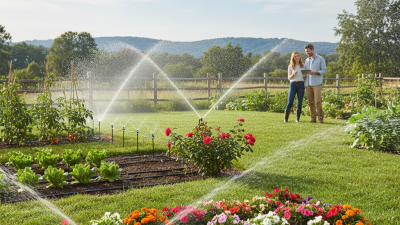
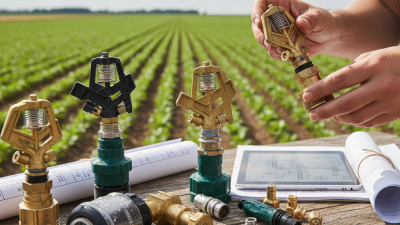
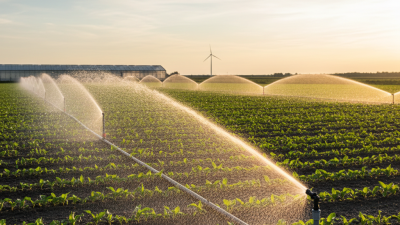
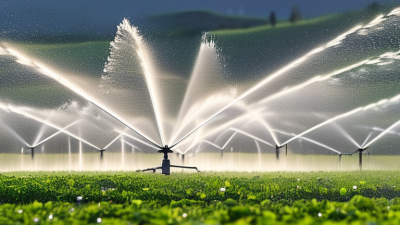
When you're trying to optimize your irrigation system, picking the right Sprinkler Nozzle really matters. John Carter from GreenTech Irrigation Solutions puts it simply: “The nozzle is kinda the heart of any sprinkler setup.” And honestly, he's spot on — nozzles really do make a huge difference in how effectively your garden gets watered. A good nozzle can save you water and make sure every inch gets covered properly.
Now, I won’t lie, figuring out which Sprinkler Nozzle is best for you can feel a little overwhelming at first. There are so many options, each designed for different purposes — like whether you're watering a backyard lawn or a big farm. Nozzle designs can vary a lot, especially in spray pattern and flow rate, so you really need to think about what suits your situation best.
But here’s the thing: choosing a nozzle isn’t just about grabbing whatever’s available. You’ve gotta consider things like the size of your landscape, water pressure, and even seasonal changes. Picking the wrong one could mean uneven watering or wasting resources, and nobody wants that. So, take a moment to think about your specific needs—that’s the best way to make a smart, informed choice when it comes to your irrigation setup.
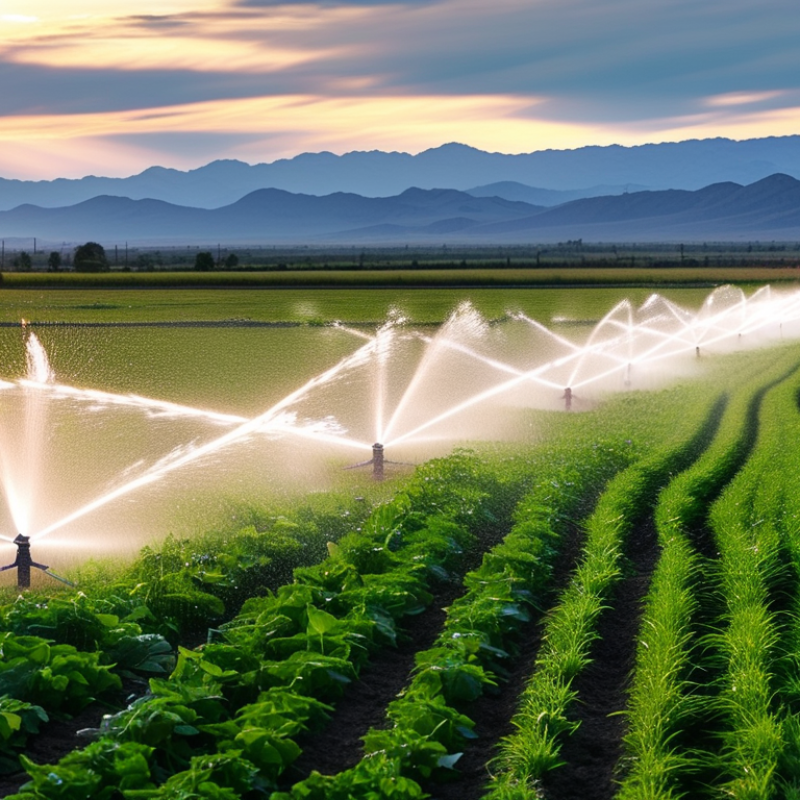
What is a Sprinkler Nozzle: Definition and Functionality
A Sprinkler Nozzle is a crucial component in irrigation systems. It regulates water flow and spray patterns for efficient coverage. According to industry reports, proper nozzle selection can enhance water conservation by over 30%. This statistic underscores the importance of choosing the right nozzle for specific landscaping needs.
Sprinkler Nozzles come in various types, such as fixed spray, rotary, and drip emitters. Each type serves a distinct purpose. For instance, fixed spray nozzles are ideal for small, flat areas. Rotary nozzles are better for large, uneven surfaces. It’s essential to assess your garden’s layout, soil type, and plant needs to make an informed choice. Many gardeners overlook these variables, leading to inefficient watering and plant stress.
An often-discussed but frequently ignored aspect is the nozzle’s precipitation rate. This rate measures how quickly water is applied to the lawn. Industry guidelines recommend matching the precipitation rate to the soil's absorption rate. This balance minimizes runoff and promotes deeper root growth. Failing to account for this can result in puddling or dry patches. Understanding these dynamics ensures that every drop counts in maintaining a healthy landscape.
Types of Sprinkler Nozzles: Fixed, Adjustable, and Specialty Options
Sprinkler Nozzles are essential in irrigation systems. They control water distribution, affecting plant health directly. Different types of nozzles cater to various garden needs. Understanding these options is crucial for effective irrigation.
Fixed nozzles deliver a consistent spray pattern. They are ideal for small, uniformly shaped areas. A study from the University of California suggests that using fixed nozzles can reduce water waste by up to 30%. Adjustable nozzles allow flexibility in spray patterns. Gardeners can customize the water coverage for specific plants or uneven terrains. Such versatility is important, especially in diverse landscapes. Specialty nozzles offer unique features, like drip irrigation and micro-spray systems. These options can be effective in conserving water and targeting specific plants.
Choosing the right nozzle depends on the garden's layout and climate conditions. It's challenging for gardeners to evaluate their needs properly. Many may overlook the importance of adjusting their systems, which can lead to over- or under-watering. Research indicates that improper nozzle selection can result in a 20% increase in water usage. Therefore, taking the time to understand different nozzles is invaluable for efficient irrigation.
Key Factors Affecting Sprinkler Nozzle Performance and Efficiency
Choosing the right Sprinkler Nozzle is vital for effective irrigation. Key factors significantly influence performance and efficiency. For example, the nozzle type determines the size and shape of the water pattern.Rotary Nozzle Sprinklers distribute water more evenly than traditional fixed spray nozzles. This helps reduce water waste and promotes healthier plant growth.
Another critical aspect is the flow rate. It affects how much water reaches your plants and how quickly the area is covered. A higher flow rate can lead to oversaturation, harming the roots. Therefore, selecting a nozzle that matches your garden size and plant needs is essential. Assessing soil type and drainage will also impact nozzle selection.
Rotary Nozzle Sprinklers can adapt to various conditions, making them versatile. However, not all gardens will benefit equally from them. If a garden has areas that require different watering levels, consider adjustable nozzles. Remember, experimenting with different patterns may help you achieve optimal coverage. Adjustments might be necessary over time as your garden matures. Regular monitoring will guide you in making effective changes.
Understanding Flow Rates: Measuring GPM for Optimal Coverage
When selecting a Sprinkler Nozzle, understanding flow rates is crucial. Flow rates are often measured in gallons per minute (GPM). The GPM required for optimal coverage can vary widely. A typical residential lawn may require between 1 to 5 GPM based on size and irrigation needs. Using aRotary Nozzle Sprinkler Head can enhance efficiency by delivering consistent water coverage.
Research indicates that nozzles designed for specific flow rates can optimize water use. According to the Irrigation Association, the ideal application rate for most lawns is about 0.5 to 1 inch per week. When choosing a nozzle, you should consider how much water each area of your lawn will require. This ensures that each section receives adequate hydration without overwatering.
It’s important to note that incorrect flow rates can lead to inefficient watering. Over time, this can cause runoff and water waste. Understanding your landscape's needs may require adjustments. Testing different nozzles and observing their performance is always a good practice. Even slight variations in flow can significantly affect coverage and overall lawn health. Be open to exploring various options to find what works best for your garden.
Understanding Flow Rates: Measuring GPM for Optimal Coverage
This chart illustrates the flow rates in gallons per minute (GPM) for different types of sprinklers, helping to understand their coverage capabilities. Selecting the right nozzle based on flow rate ensures optimal watering efficiency.
Sprinkler Nozzle Applications: Residential vs. Commercial Use
Choosing the right Sprinkler Nozzle is crucial for effective irrigation. Residential and commercial applications require different approaches. For homeowners, the focus is often on efficiency and water conservation. A standard nozzle may suffice for small lawns and gardens. However, it’s essential to consider the type of plants being watered. Delicate flowers may need a fine mist, while shrubs can handle a more robust spray.
In commercial settings, the demands shift. Larger areas typically require nozzles that can cover more ground quickly. Adjustable nozzles are invaluable in these scenarios. They allow for customization based on the specific landscape and weather conditions. Over time, you may notice uneven watering patterns. This highlights the need for regular adjustments. It’s not just about installation; maintenance is equally vital. Recognizing when to replace or realign nozzles can save resources and enhance performance.
Every garden and landscape is unique. What works for one situation may not be optimal for another. Sometimes, trial and error is necessary. Gathering feedback from users can improve choices in the long run. Exploring partnerships with local experts can provide insights that self-research might miss. Each decision builds upon the last, shaping a more sustainable watering strategy.
Selecting the Right Material: Plastic vs. Brass Nozzles
When selecting a Sprinkler Nozzle, the choice between plastic and brass materials is crucial. Plastic nozzles, often lighter and less expensive, are widely used in residential irrigation systems. According to industry data, over 60% of homeowners prefer plastic due to its affordability and ease of installation. However, their longevity can be a concern. Some experts indicate that plastic nozzles may last only a few years, especially in harsh weather conditions.
Brass nozzles, while pricier, offer durability. They are resistant to corrosion and can withstand varying temperatures better than plastics. Reports suggest that brass nozzles can last up to 15 years with proper care. When choosing between the two, consider your local climate. In areas with extreme conditions, investing in brass might save money in the long run.
It’s also vital to think about the specific application. Not all nozzles fit the same purpose. For instance, a Pop Up Nozzle Sprinkler may be ideal for lawns due to its concealed design. However, using it in flower beds may require a different approach. Keep these factors in mind while making your decision.
Maintenance Tips for Longevity and Efficiency of Sprinkler Nozzles
Maintaining your Sprinkler Nozzles is crucial for their longevity and efficiency. Regular inspections can prevent small issues from becoming significant problems. Check for clogs regularly. Dirt can accumulate, affecting water flow. Cleaning them can enhance performance. Simply remove the nozzle and rinse it under water. This simple step can significantly increase efficiency.
Adjustments are also essential. Over time, sprinkler nozzles may become misaligned due to movement or erosion. Ensure they are directed correctly to cover your grass or garden. Test the spray pattern to confirm it meets your needs. A proper setup saves water and promotes healthy plant growth.
Consider the type of Water Spray Nozzle you use. Different nozzles provide varied spray patterns and coverage. Research before making a choice to ensure it fits your landscape. Over time, consider replacing older models. Technology improves, providing better options for efficiency. Regularly evaluate your current nozzles and see if upgrades are needed.
What is a Sprinkler Nozzle and How to Choose the Right One?
| Nozzle Type | Application | Flow Rate (GPM) | Spray Pattern | Typical Use Case |
| Fixed Nozzle | Lawn and Garden | 1.5 - 2.5 | Fan | Small garden areas |
| Adjustable Nozzle | Flower Beds | 0.5 - 2.0 | Adjustable | Various plant types |
| Rotary Nozzle | Large Areas | 2.0 - 5.0 | Rotary Spray | Lawns and large gardens |
| Impact Nozzle | Turf and Agricultural | 5.0 - 10.0 | Wide Spray | Large field irrigation |
| Micro Nozzle | Potted Plants | 0.1 - 0.5 | Drip | Indoor/outdoor potted plants |
Enhancing Turfgrass and Garden Irrigation Efficiency: Insights from Market Reports on Gear Drive Sprinklers with Adjustable Nozzles
Efficient irrigation systems are essential for optimizing water use in turfgrass and gardens. Recent market reports highlight the growing demand for gear drive sprinklers equipped with adjustable nozzles. These innovative solutions offer versatility by providing adjustable spray patterns, which can significantly reduce water waste while ensuring thorough coverage. In particular, products that can be tailored to different applications—from lush lawns to delicate flower beds—are gaining popularity among landscapers and gardeners alike.
One such solution features a spray range from 50° to 360°, making it ideal for various installations. Equipped with multiple nozzle options, including both standard and low-angle variations, these sprinklers offer the flexibility needed to address the unique watering requirements of different plant types. The ability to finely adjust the irrigation pattern can lead to improved water efficiency, allowing users to achieve optimal garden health while conserving resources.
Industry data indicates that adopting advanced irrigation technologies can lead to a 30% reduction in water usage compared to traditional systems. As consumers become more environmentally conscious, the shift towards efficient solutions not only helps in maintaining vibrant landscapes but also supports sustainable practices in landscaping and agriculture. With the right tools, nurturing lush gardens and pristine turf becomes an achievable goal, maximizing both aesthetic appeal and resource management.
FAQS
: The main types are fixed, adjustable, and specialty nozzles. Each serves different garden needs.
Fixed nozzles provide a consistent spray. They can reduce water waste by up to 30%.
Adjustable nozzles allow customization of spray patterns. This helps meet the needs of specific plants.
Most lawns need between 1 to 5 GPM for optimal coverage. Adjust based on your lawn's size.
Incorrect flow rates can lead to runoff and water waste. Adjustments may be needed to improve efficiency.
The main materials are plastic and brass. Each has its pros and cons, affecting durability and cost.
Plastic nozzles can last a few years, especially in harsh conditions. They may not be suitable for all climates.
Brass nozzles can last up to 15 years with proper care, making them a durable choice.
Consider your local climate and the specific application of the nozzle. Functionality varies by type.
Test different nozzles and observe their coverage. Adjustments may be necessary for optimal results.
Conclusion
A sprinkler nozzle is a crucial component in irrigation systems, designed to distribute water efficiently and effectively across designated areas. Understanding the different types of sprinkler nozzles—such as fixed, adjustable, and specialty options—is essential for selecting the right one for specific applications. Key factors affecting nozzle performance include flow rate, which is measured in gallons per minute (GPM), and the choice of material, with options ranging from plastic to brass.
When choosing a sprinkler nozzle, it is important to consider the intended use, whether for residential or commercial environments, as this influences the optimal design and functionality. Regular maintenance is also vital for ensuring the longevity and efficiency of sprinkler nozzles, helping to achieve the best coverage and water conservation in any irrigation setup.