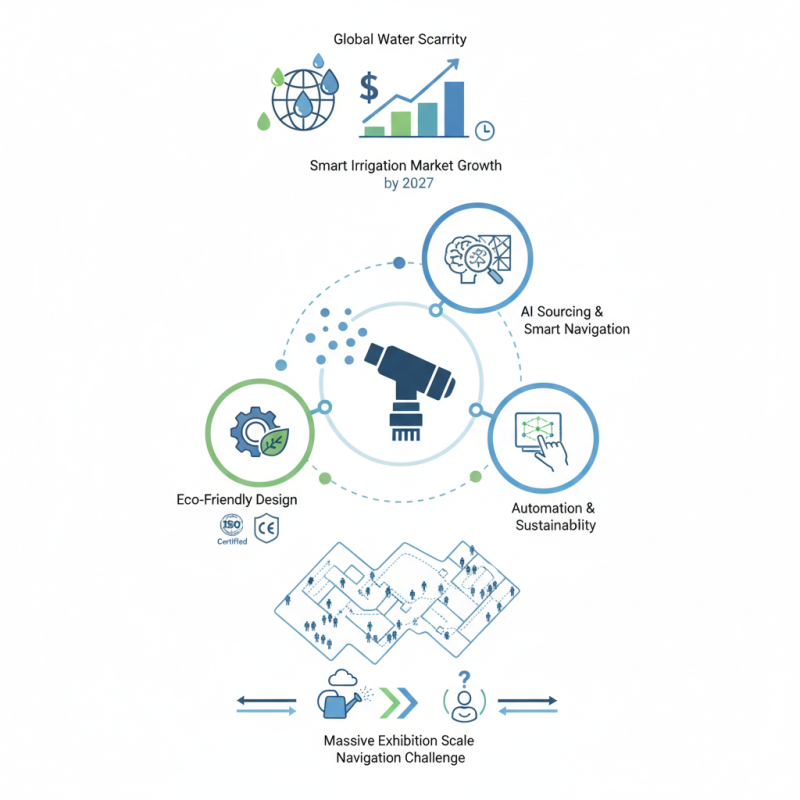
Hey, have you heard about the upcoming 2026 Canton Fair? It’s supposed to be pretty exciting, especially for folks into gardening and irrigation. They’re going to showcase some cool new innovations, like this Mist Sprinkler system — I’ve been reading that this tech has really been taking off lately. Apparently, smart irrigation solutions are expected to grow so much that they could hit over $3 billion in market share by 2027. With water shortage issues becoming more serious around the world, designs that save water and work better are more important than ever.
Oh, and get this — the Fair will also feature some new AI features that make sourcing easier. Buyers will be able to find eco-friendly Mist Sprinkler suppliers with certifications like ISO and CE much more efficiently. It’s a big step up, especially since exhibitors are now organizing their booths more smartly, so visitors can navigate better. But honestly, with such a massive event — over 1.5 million square meters — I can imagine how overwhelming it might be for some people. Finding specific tech like the latest Mist Sprinkler can feel kind of like looking for a needle in a haystack.
As automation and sustainability become more of a priority, companies like RainBird and Hunter Industries really need to stay on top of things. They've got to keep pushing innovation, but also pay attention to customer satisfaction and usability. The push for efficiency and eco-friendliness is definitely overdue, but industry players gotta keep up with what consumers are now expecting — it’s a lot to keep up with, but that’s just how the game’s changing.
At the 2026 Canton Fair, Mist Sprinklers take center stage. Innovations in this field promise to revolutionize irrigation and cooling systems. Many exhibitors showcased creative designs and advanced technologies. Some Mist Sprinklers featuredsmart controls. They allow users to monitor water usage in real-time. This reduces waste, which is crucial in today's water-scarce environment.
The Mist Sprinkler designs were varied. Some models were portable, making them perfect for outdoor events. Others were fixed installations, ideal for gardens and farms. Features likeadjustable spray patterns were common. These innovations ensure that every plant receives optimal moisture.
Tip: When choosing a Water Sprinkler, consider the size of your garden. A small area may require a different design than a large one. Also, think about the type of plants you have. Different plants have different water needs.
Exploration of these innovations raises some questions. Are all of these systems environmentally friendly? Some might not be as efficient as advertised. It’s essential to research and find the best fit for your needs. Investing in the right Mist Sprinkler could save water and enhance plant growth.
The 2026 Canton Fair showcased remarkable innovations in Mist Sprinkler systems. The integration of smart technology is transforming these systems. With remote control features, users can manage sprinklers from anywhere. This is a game changer for gardening enthusiasts and landscape professionals.
Smart sensors monitor environmental conditions continuously. They adjust water output based on humidity and temperature. However, there are challenges. Not all smart devices work seamlessly together. Connectivity issues can arise, leading to ineffective watering schedules. This highlights the need for better integration and standards in the technology.
Furthermore, the steep learning curve can deter many users. Simplicity in usage is essential. If the systems are too complex, customers may prefer traditional methods. Balancing innovation with user-friendliness remains a challenge. The industry must prioritize intuitive designs that enhance, not complicate, the user experience.
Advanced Mist Sprinkler designs show promise for our environment. They use less water while maintaining effective irrigation for crops. This innovative technology can minimize water waste and improve plant health. Instead of conventional techniques, these sprinklers employ fine mist to water plants. The result? Healthier plants with less water consumption.
The environmental benefits are significant. Reduced water usage leads to lower energy costs and less strain on water resources. However, some challenges remain. Implementing these advanced systems requires understanding their mechanics. Mismanagement can still lead to water loss. Some farmers might hesitate to switch due to concern over initial costs. Yet, the long-term savings can be impressive.
Ultimately, these innovations in Irrigation And Sprinklertechnology invite reflection. How can we best leverage technology for sustainability? As we explore the advantages, we must also acknowledge potential pitfalls. Embracing advanced Mist Sprinkler designs is not just about efficiency. It's a step toward agreener future for agriculture and the planet.
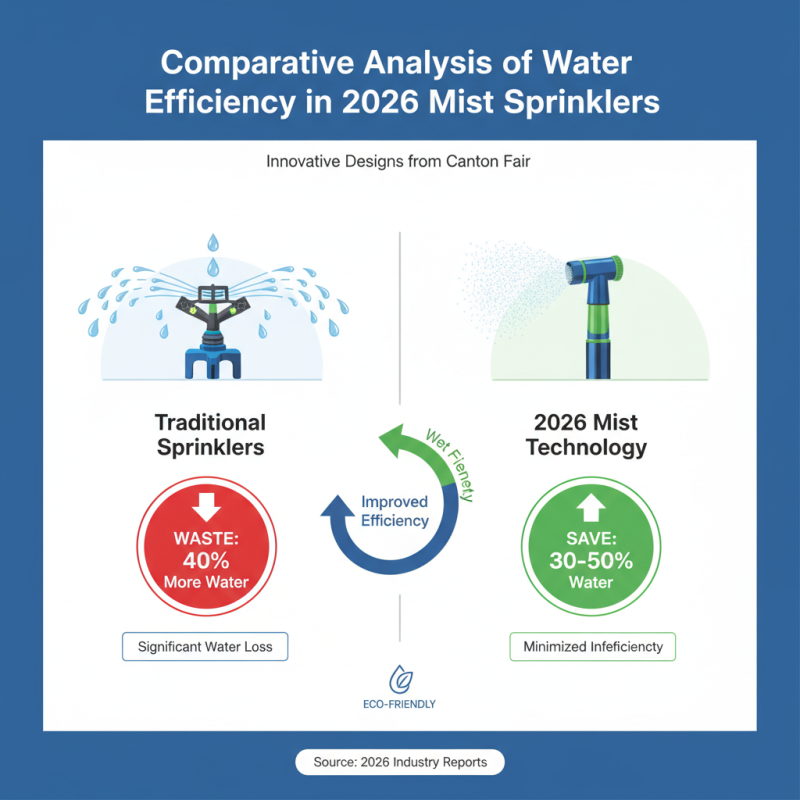
The 2026 Canton Fair showcased several innovative Mist Sprinkler designs aimed at improving water efficiency. Research indicates that traditional sprinklers use up to 40% more water than necessary, leading to significant waste. In contrast, the new mist technology minimizes this inefficiency. Updated industry reports highlight that advanced mist systems can reduce water consumption by 30% to 50%.
These sprayers operate with lower pressure, generating finer droplets. This mechanism enhances water absorption, reducing runoff and evaporation rates. During the fair, many companies displayed models that use smart sensors. These sensors optimize water release based on real-time weather data. Even with these advancements, some manufacturers faced challenges in demonstrating consistent performance across different environments.
Concern remains regarding the initial cost of adopting these advanced systems. Although they promise lower water usage, their upfront price may deter some buyers. Additionally, maintenance procedures for these innovative products require regular attention, potentially complicating their use. This complexity might overshadow their environmental benefits, leading to further evaluation in future analyses of sprinkler systems.
The 2026 Canton Fairhas spotlighted innovative Mist Sprinkler technologies for agricultural applications. These advancements are vital as they address growing concerns around water conservation. Recent reports indicate thatefficient irrigation can reduce water usage by 30% to 50% in various crops. This technology not only conserves water but also improves crop yields, which is essential for food security.
Emerging trends show that Mist Sprinklers are becoming highly automated.This automation helps farmers manage irrigation cycles in real-time. Also, integrating sensors can optimize water usage based on soil moisture levels. It's encouraging to see these developments, yet there are challenges. Installation can be complex, and farmers may need training to adapt to new systems.
Moreover, the impact on soil health must be considered. Over-saturation from mist sprinklers can lead to root rot or nutrient leaching. It is crucial to strike a balance between optimal moisture levels and soil preservation. As the industry embraces these innovations, ongoing assessments of their long-term effects on agriculture will be essential. The move toward more efficient irrigation practices, including the use of advanced Irrigation Sprinkler Heads, signifies a pivotal shift in sustainable farming.
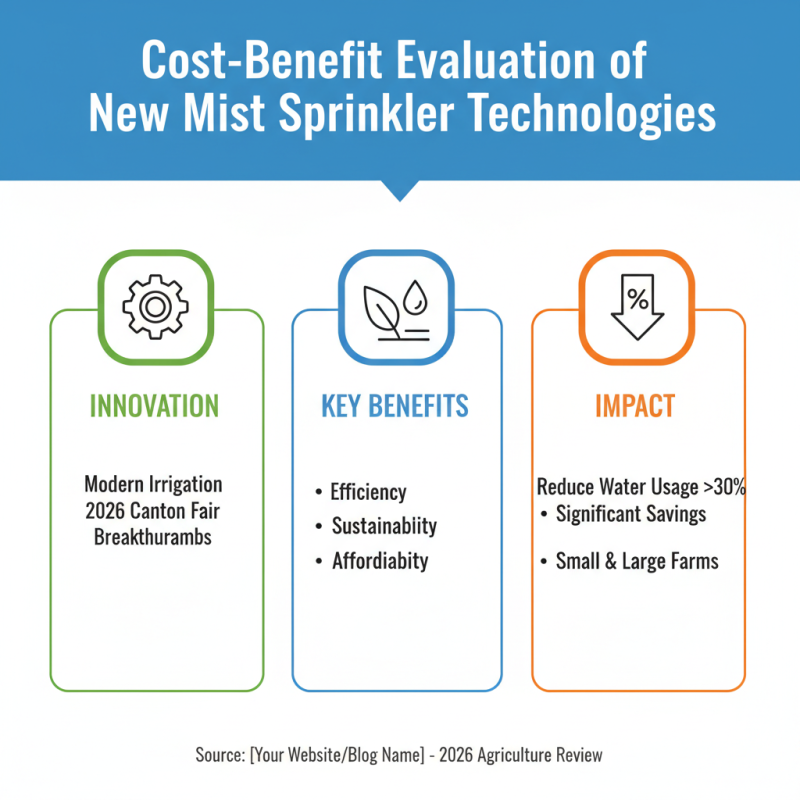
Innovative mist sprinkler technologies are emerging as key players in modern irrigation practices. At the 2026 Canton Fair, several breakthroughs caught attention. These advancements focus on efficiency, sustainability, and affordability. New mist sprinklers can reduce water usage by over 30%. This significant savings is appealing for both small farms and large agricultural operations.
Cost-benefit evaluations show that while initial investments can be high, long-term benefits outweigh the costs. Many of these systems are designed to operate with minimal energy. They often require less maintenance, which can save money and time. However, some users reported challenges in installation. Training is essential for optimal functioning. Without proper guidance, the potential benefits can be lost.
Furthermore, some technologies may not suit all climates or crops. Users need to consider their specific needs before switching to new systems. Evaluating these innovations is not just about savings. It’s also about understanding how these tools fit into existing practices. Each farm's unique situation will determine if the latest mist sprinkler technology is the right choice. The future of irrigation will depend on careful consideration of these factors.
At the 2026 Canton Fair, consumer interest in Lawn Sprinklers took center stage. Innovations focused on efficiency and sustainability. Many attendees looked for mist sprinklers that minimize water usage while maximizing coverage. A common theme was the desire for smart technology. Consumers want devices that adapt to weather patterns. This ensures optimal watering without waste.
Market trends highlight an increasing preference for eco-friendly materials. Buyers are now more conscious of their environmental impact. They seek sprinklers made from recycled or biodegradable components. However, not all products met these expectations in their display. Some still relied heavily on plastics. Feedback from visitors suggested a need for improvement in this area.
Moreover, aesthetics play a significant role in consumer choices. Many exhibitors showcased sleek designs and vibrant colors. Yet, not all innovations were appealing. Some lacked user-friendliness, leading to frustration. Customers expressed concerns about product reliability and durability. Designing lawn sprinklers that integrate both form and function is essential for capturing this evolving market.
The 2023 Global Agricultural Irrigation Systems Report highlights the increasing significance of efficient irrigation practices in modern agriculture. Among the innovative solutions identified, gear drive sprinklers have emerged as formidable tools for maximizing irrigation efficiency. One notable example is the HF02-06 gear drive sprinkler, which boasts a 6-inch size and provides adjustable coverage from 50° to 360°. This flexibility allows for tailored irrigation patterns, optimizing water usage across various applications, including turfgrass, shrubs, and gardens.
In the backdrop of rising global temperatures and fluctuating rainfall patterns, efficient irrigation systems are more critical than ever. Reports indicate that nearly 70% of the world's freshwater is used for irrigation; therefore, maximizing efficiency in this area can result in substantial water savings. The HF02-06, equipped with eight standard and four low-angle nozzles, enables precise application, ensuring that plants receive the optimal amount of water while minimizing runoff and evaporation. Such technology is essential for agricultural sustainability and can contribute significantly to yields in an increasingly resource-constrained world.
As the agricultural sector moves towards more sustainable practices, gear drive sprinklers like the HF02-06 exemplify the advancements in irrigation technology. Leveraging such systems can lead to enhanced crop health, improved resource management, and ultimately, greater resilience in the face of climate change. This aligns with the recommendations presented in the recent report, which underscores the urgent need for innovations that bolster irrigation performance on a global scale.
: Mist sprinklers can reduce water usage by 30% to 50%, conserving this vital resource efficiently.
They operate with lower pressure and produce finer droplets, minimizing evaporation and runoff.
Companies struggle to demonstrate consistent performance across various environments, impacting user confidence.
While initial costs may be high, the long-term savings in water and maintenance can justify the investment.
Yes, proper training is essential for effective installation and operation; inadequate training can hinder efficiency.
Over-saturation can cause root rot or nutrient leaching, highlighting the need for careful moisture management.
Automation allows real-time management of irrigation, optimizing water use based on soil moisture and weather data.
No, some technologies may not fit all climates or crops; individual assessments are necessary before adoption.
Regular maintenance is required, which can complicate their use and may deter some potential users.
Evaluating specific needs, installation challenges, and impacts on existing practices is crucial for successful integration.
The 2026 Canton Fair showcased groundbreaking innovations in mist sprinkler technology, emphasizing the integration of smart technology to enhance operational efficiency. These advancements not only improve water management but also provide significant environmental benefits by promoting sustainable practices. The comparative analysis presented at the fair highlighted the superior water efficiency of the latest mist sprinkler designs, making them an appealing choice for agricultural applications.
Additionally, the fair revealed emerging trends in customer preferences, indicating a growing market demand for innovative mist sprinkler solutions. A cost-benefit evaluation demonstrated that investing in new mist sprinkler technologies could lead to substantial long-term savings for users. Overall, the 2026 Canton Fair provided valuable insights into the future of mist sprinklers and their pivotal role in modern agriculture.