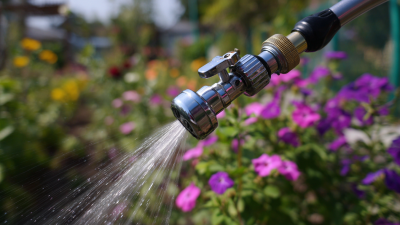
When it comes to modern landscaping and farming, irrigation efficiency really makes all the difference. I remember chatting with James Wang from AquaSpray Solutions, and he said something that stuck with me: “Picking the right Sprinkler Nozzle can make or break your entire irrigation system.” Honestly, that really highlights how crucial it is to choose the right nozzles for the job. If you pick wisely, your water gets exactly where it’s supposed to go, which means less waste and more effective watering.
The thing is, a lot of folks in the landscape irrigation world tend to overlook specific nozzle types, which ends up making their watering efforts kinda inefficient. It’s a good idea for pros to take some time to explore different nozzles and really understand what each one’s good for and what’s not. For example, rotating nozzles are awesome for covering larger areas, while smaller, more detailed spots often do better with fixed nozzles. But here’s the catch — many people don’t realize when a nozzle’s starting to fail or get blocked after some time. Regular checks are super important to catch wear and tear early on.
Then there's the whole question of spending on quality nozzles. Sure, tons of brands out there claim to be the best, but not all of them really deliver. It’s smart to go with trusted names like RainBird or Hunter Irrigation, since they’ve got a reputation for strict testing and happy customers. Just keep in mind, no irrigation system is perfect — so consistent maintenance and regular evaluations are key to getting the most out of your setup.
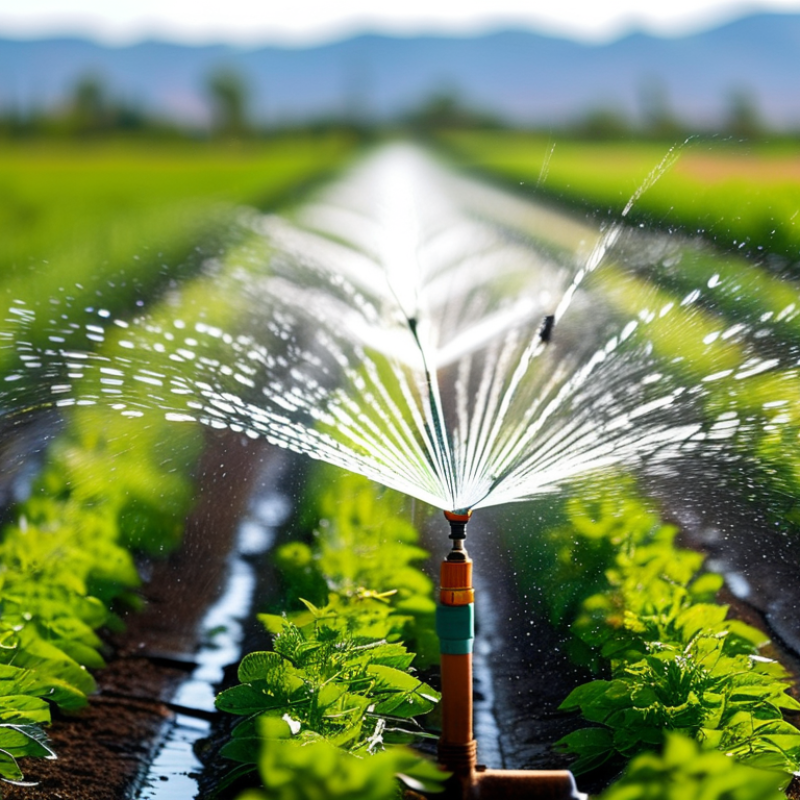
Understanding the Different Types of Sprinkler Nozzles
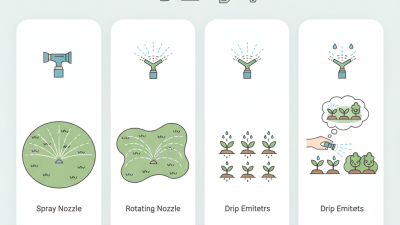
When considering irrigation, understanding Sprinkler Nozzles is crucial. Different types serve various purposes, and knowing them can make or break your watering efficiency. For instance, fixed spray nozzles deliver a consistent pattern, perfect for small, flat areas. They distribute water evenly, but they may waste water through evaporation or runoff. Adjusting the coverage can be a hassle as the water flow is not customizable.
Rotary nozzles are another option. They use a rotating stream to cover larger spaces efficiently. These nozzles apply water slowly and subtly. However, they require more time to water your garden compared to fixed nozzles. This means planning is vital to avoid drought stress on plants. Pressure and angle are essential factors, too. A poorly set nozzle may lead to dry spots or overly saturated areas, creating work for you down the line.
When selecting nozzles, consider your watering needs carefully. The wrong choice leads to inefficient watering. Test different options if possible; sometimes, your initial decision doesn’t yield the expected results. Observing how your plants respond helps refine your irrigation strategy. Remember, every garden is unique, and understanding each nozzle's characteristics will guide you toward optimal performance.
Top Sprinkler Nozzle Tips for Optimal Irrigation Performance
| Nozzle Type | Best Use | Water Flow Rate (GPM) | Coverage Area (sq ft) | Adjustability |
| Fixed Spray Nozzle | Small flower beds or gardens | 1.0 - 2.5 | 100 - 300 | No |
| Rotary Nozzle | Lawns and large areas | 0.5 - 3.5 | 300 - 800 | Yes |
| Bubbler Nozzle | Flower beds and shrubs | 1.0 - 3.0 | 50 - 150 | No |
| Mist Nozzle | Greenhouses and seedlings | 0.5 - 1.5 | 20 - 50 | Yes |
| Drip Nozzle | Row crops and vegetable gardens | 0.2 - 1.0 | Minimum targeted | Yes |
Key Features to Look for in High-Performance Sprinkler Nozzles
When selecting the right Sprinkler Nozzle, consider several key features to enhance your irrigation performance. The spray pattern is crucial. A nozzle with an adjustable pattern allows you to customize coverage for various garden shapes. This flexibility is essential for both flower beds and lawns. Look for nozzles that provide a gentle mist or a strong jet. Each has its place in your irrigation strategy.
Water efficiency is another important factor. Opt for nozzles that minimize runoff. Products with pressure-regulated designs help maintain consistent water flow, which is vital during dry spells. Many high-performance nozzles also include built-in filters. This feature ensures that debris won’t clog the system, leading to less frustration and more time enjoying your garden.
Another aspect to review is durability. Sprinkler Nozzles are exposed to the elements regularly. Choose materials that resist fading and corrosion. Metal nozzles often stand up against harsh conditions better than plastic ones. A reliable nozzle can last for years, making it a cost-effective choice in the long run. Take time to reassess your nozzle choices to ensure they align with your garden's needs.
How to Select the Right Nozzle for Your Irrigation Needs
Selecting the right nozzle for your irrigation system is crucial for achieving optimal performance. Different plants and soil types require varying water distributions. A thorough understanding of your landscape needs will guide your choice.
Evaluate the flow rate of your chosen nozzle. This measurement indicates how much water will be applied over time. For larger areas, consider nozzles with a higher flow rate. Conversely, smaller gardens may benefit from lower flow rates for efficient water use.
Adjustable nozzles can provide versatility. You can modify the spray pattern and distance based on seasonal changes. This adaptability not only conserves water but also promotes healthy growth. Pay attention to local weather conditions. Wind and temperature fluctuations can impact water evaporation rates, making proper nozzle selection even more necessary.
Taking the time to research and match nozzles to your specific irrigation needs can significantly improve your garden's health and efficiency.
Adjusting Sprinkler Nozzles for Optimal Water Distribution
Adjusting Sprinkler Nozzles plays a vital role in achieving optimal water distribution for your garden or lawn. Fine-tuning the nozzles ensures that every inch of your landscape receives the right amount of moisture. Without proper adjustment, some areas may become overwatered, while others remain parched.
Consider soil type and plant requirements when adjusting nozzles. For sandy soil, increase the frequency and intensity of watering, as it drains quickly. Clay soil retains water longer, requiring less frequent watering. Also, observe how the water spreads. If you notice puddles forming, your nozzle may need to be repositioned.
Evaluate your system regularly. Observe the coverage during watering sessions. If certain areas dry out quickly, consider changing the spray pattern. Sometimes, changing the height or angle of the nozzle can drastically improve water distribution. Adapting to seasonal changes is also crucial; plants may need less water during cooler months. Regularly check for obstructions, like grass or debris, that can block water flow. Adjusting these elements can enhance irrigation performance significantly.
Maintaining and Cleaning Sprinkler Nozzles for Longevity
Cleaning and maintaining your Sprinkler Nozzles is essential for their longevity. Over time, dirt and debris can clog these nozzles. This hinders the distribution of water, affecting your irrigation performance. Regular inspection is advisable. Check for blockages frequently to ensure optimal function.
To clean nozzles, gently remove them from the sprinkler heads. Rinse them under running water. A soft brush can help dislodge stubborn particles. After cleaning, reattach them securely. Take note of any signs of wear. If nozzle performance is inconsistent, it may be time for replacement.
Maintaining a consistent cleaning schedule is crucial. Every few months may be ideal, but frequency can depend on your environment. In dusty or windy areas, you may need to clean more often. Inspecting the nozzles can prevent future issues. Pay attention to the spray patterns. Uneven coverage can indicate that cleaning is overdue or that a replacement is needed. This proactive approach will enhance your irrigation system's effectiveness.
Common Mistakes to Avoid When Using Sprinkler Nozzles
Common mistakes when using Sprinkler Nozzles can hinder effective irrigation. One prevalent error is improper nozzle selection. Choosing the wrong type for your landscape needs can lead to wasted water and uneven coverage. It's essential to match the nozzle type to the plants being watered. For instance, using a high-pressure nozzle in a delicate flower bed can damage plants.
Another mistake is not adjusting the nozzle settings according to the season. In spring, plants generally require different watering volumes compared to summer. Failing to recalibrate can result in overwatering or underwatering. Additionally, many users forget to clean nozzles regularly. Clogs can restrict water flow and disrupt the intended spray pattern.
Adjusting the angle and height of nozzles is often overlooked. An inappropriate angle can lead to water hitting hard surfaces, causing runoff instead of absorption. Many homeowners do not realize that even a slight change in height can improve water distribution. Recognizing these details is key to efficient irrigation. It is always beneficial to periodically evaluate the performance of your watering system.
Top Sprinkler Nozzle Tips for Optimal Irrigation Performance
Innovative Technologies in Sprinkler Nozzle Design for Efficiency
Innovative technologies in Sprinkler Nozzle design are transforming irrigation efficiency. New nozzles use advanced materials and engineering techniques. These improvements allow for better water distribution and reduced waste.
Some designs feature varying spray patterns. They adjust automatically to the landscape. This adaptability ensures that each plant gets the right amount of water. But the application of these technologies isn't always flawless. Users may need to recalibrate nozzles to match specific gardening needs.
Another exciting development is the integration of sensors. These sensors can detect moisture levels in the soil. This feature enables nozzles to optimize water delivery in real-time. However, reliance on technology can sometimes lead to unexpected issues. For example, sensors might malfunction, causing over or under-watering. Regular maintenance and checks are essential for reliable performance.
FAQS
: Adjusting nozzles ensures optimal water distribution in your garden. It prevents overwatering and underwatering.
Sandy soil requires more frequent watering. Clay soil needs less frequent watering due to its water retention.
Look for puddles forming or areas drying out quickly. These are signs that adjustments are needed.
Regular evaluation during watering sessions is vital. Keep an eye on water coverage and make necessary adjustments.
Yes, plants often need less water in cooler months. Adjusting the schedule based on seasons is important.
New technologies enhance efficiency with better materials and adjustable spray patterns. They aim to reduce water waste.
If sensors malfunction, it may cause watering issues. Regular maintenance and recalibration are crucial for reliability.
Yes, reliance on technology can lead to unexpected problems, like incorrect watering. Be prepared for adjustments.
Conclusion
When optimizing irrigation performance, understanding the different types of Sprinkler Nozzles is essential. Each type offers unique features that cater to specific watering needs, making it crucial to select the right nozzle for your garden or landscape. Key factors to consider include the nozzle's spray pattern, flow rate, and material durability.
Additionally, properly adjusting the sprinkler nozzles ensures optimal water distribution, preventing over or under-watering. Regular maintenance and cleaning can extend the nozzle's lifespan, while avoiding common mistakes, such as incorrect installation and misalignment, can greatly enhance efficiency. With advancements in technology, modern sprinkler nozzles incorporate innovative designs that improve water conservation and effectiveness, contributing to a more sustainable irrigation system.