




TL;DR
- Cost per zone is decided by head count, valves, pipe run and labour rather than by the sprinkler alone, and at matched precipitation rate both zone types move the same volume of water.
- The HF02-04 gear-drive rotor publishes a 4.9–14.0 m throw at about 10 mm/h precipitation, which at 50–70% spacing means roughly 104 to 204 heads per hectare, while spray bodies with RF nozzles need far more heads for the same area.
- INOVATO publishes no price list, so the honest way to compare zone costs is to build the worksheet from counts and published cost structure, and insert your own rates.
- Our published cost breakdown for the plastic family puts raw polymer at 32–38%, injection moulding at 14–18%, inspection at 3–5% and packaging at 5–8% of FOB, which is why order volume moves unit cost more than buyers expect.
- Normalise before you compare: material family, order volume, packaging specification, inspection scope and Incoterm version, or you are comparing two different products.
Most zone cost arguments in irrigation are settled badly, because both sides start from the wrong number: the price of a sprinkler. A sprinkler is one line in a zone. The lines that decide the cost are how many heads it takes to cover the area, how many valves and metres of pipe it drags with it, how many hours it runs, and how many heads a crew can install in a day.
I have worked in cross-border irrigation component supply since 2014, and most of what I know about failures came from customers sending units back with a complaint attached. The pattern behind those returns is consistent enough to be worth stating plainly: a zone that fails is usually a sizing or pressure decision, not a material defect. Because the same logic decides the cost of a zone, I would rather build the zone cost from the ground up than start from a unit price and work backwards.
One thing up front: INOVATO publishes no price list, and its dealer programme is quoted per project. So this guide contains no invented prices. Every figure here is published product data or published cost structure, and the worksheet leaves the rate cards to you.
What "Cost per Zone" Actually Contains
Seven lines make up a zone, and only two are the part everybody argues about.
- Heads per zone, a layout decision rather than a product decision.
- Rotors or spray bodies with nozzles, which set the unit price and labour time per head.
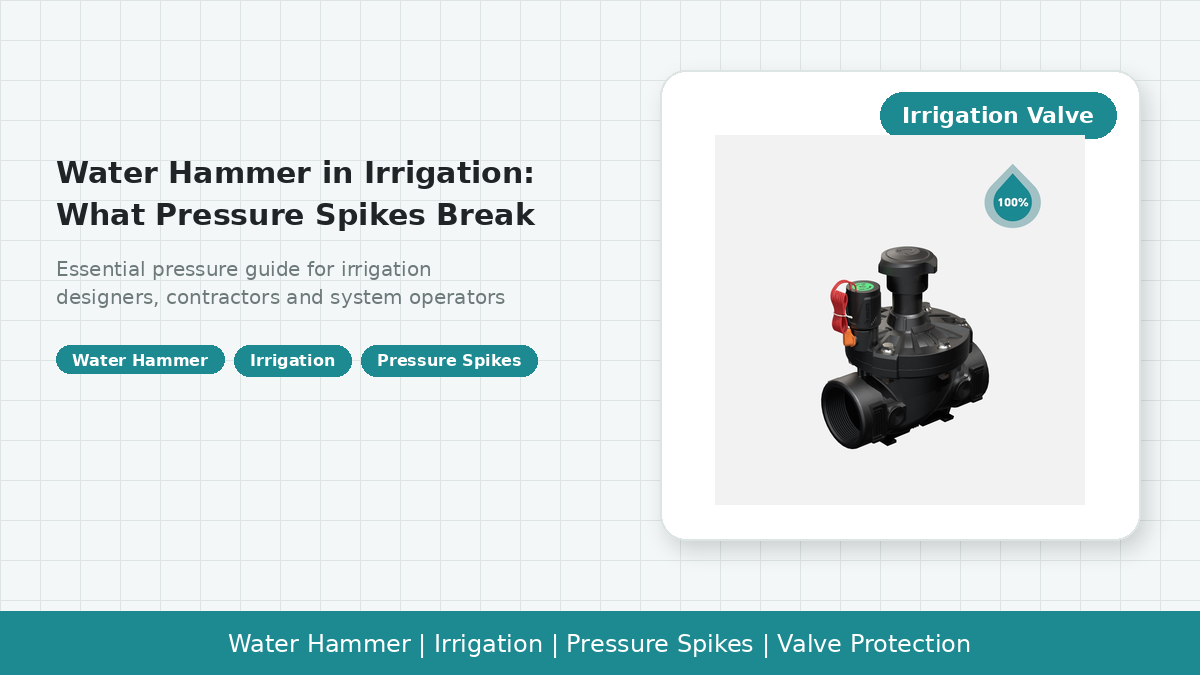
- Valves, one per zone, plus drain check valves the elevation requires.
- Pipe, fittings and swing joints for the lateral and sub-main.
- Installation labour, and it scales with head count more than with anything else.
- Runtime hours per week, which drive pumping energy and wear on every moving part in the zone.
- Replacement and repair over the system life, where pressure regulation and matched precipitation pay back.
Because five of those seven lines scale with the number of heads, a decision that halves the head count changes far more than the price of the sprinkler itself. That is the whole argument of this article, and the published throw and precipitation data on both sides of the comparison let you run it yourself.
The Rotor Case: One Head, More Ground
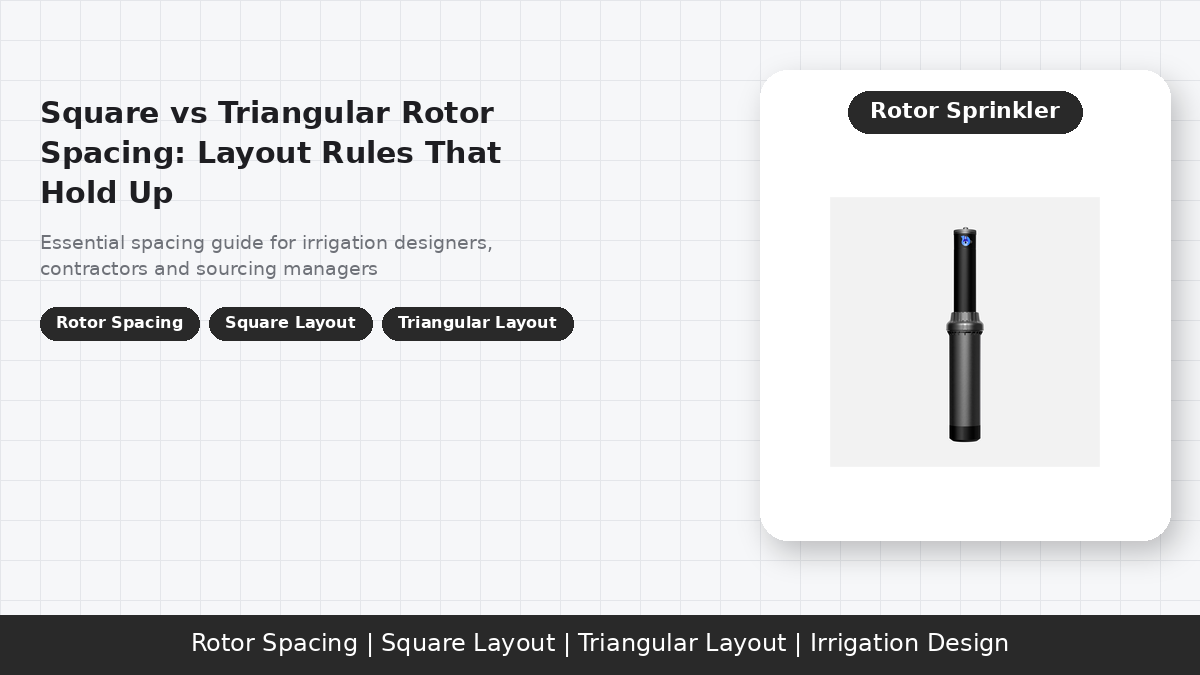
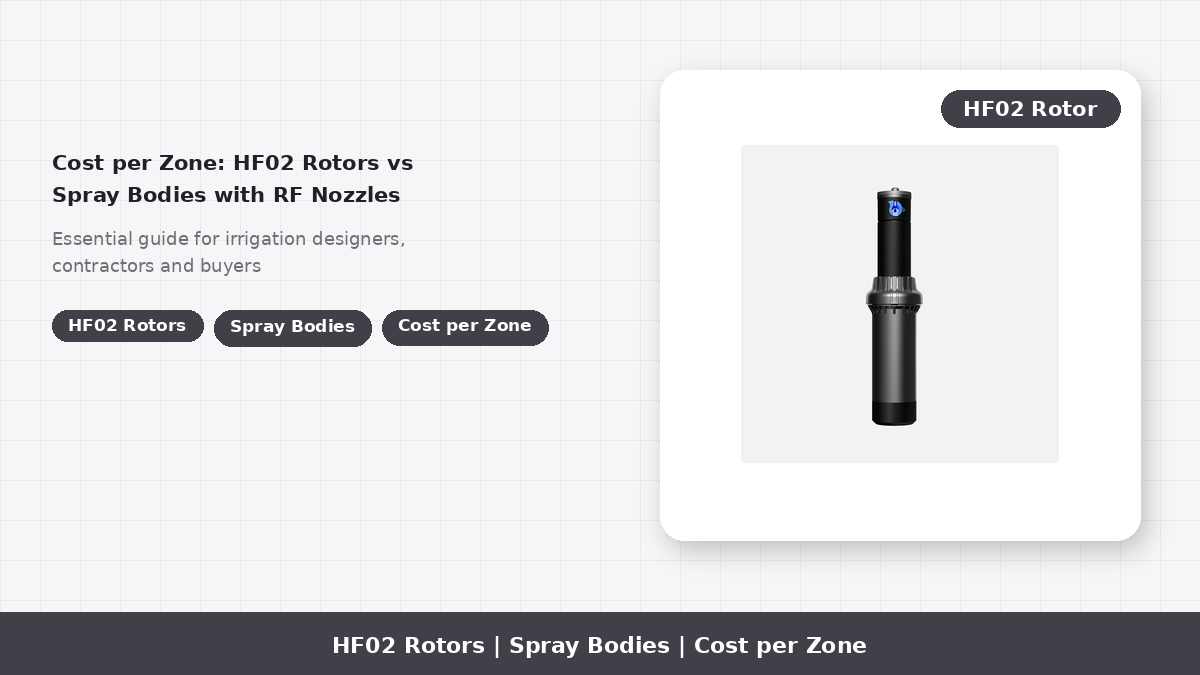
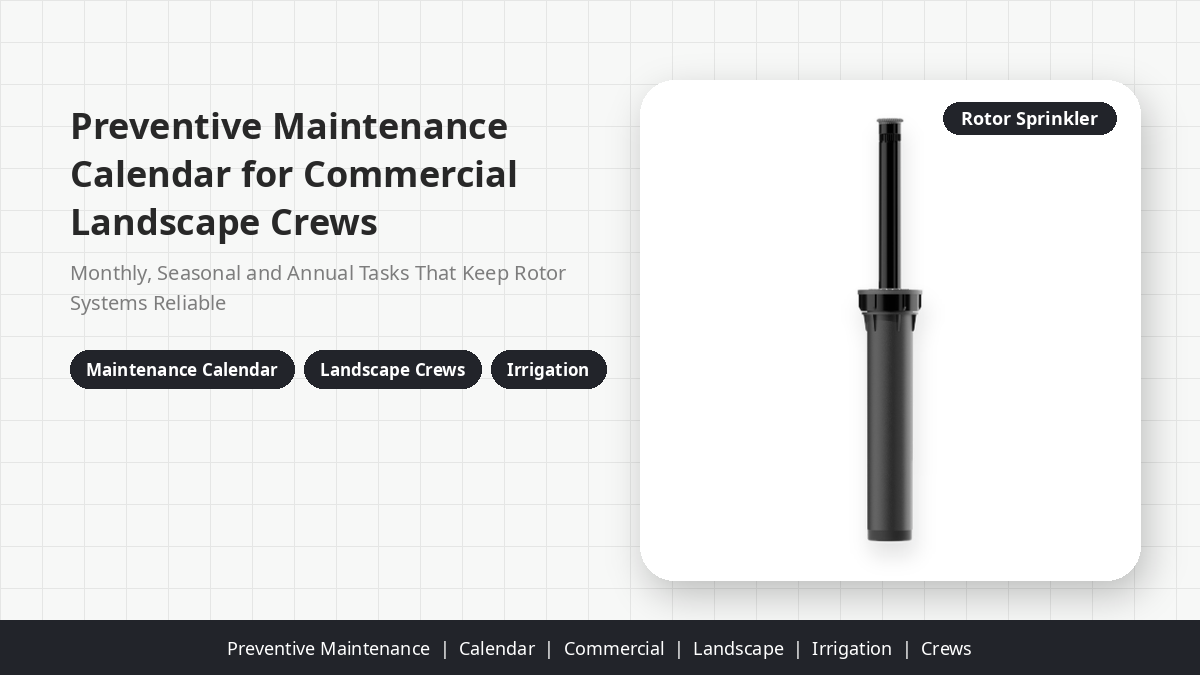
Our HF02 rotor series comes in 4", 6" and 12" versions, and the published HF02-04 gear-drive sprinkler data is what a layout is built from.
- Throw: 4.9–14.0 m radius, with the nozzle range from 1.5 to 8.0 blue for the eight standard nozzles and 2.0 to 4.5 blue for the four low-angle nozzles.
- Precipitation rate: approximately 10 mm/h.
- Working pressure: 1.7–4.5 bar recommended, 1.4–7 bar operating range.
- Arc: 60° to 360°, adjustable through the top, with a quick-check arc mechanism and a water-lubricated gear drive.
Run the arithmetic on that. Heads per hectare is 10,000 divided by spacing squared, and spacing is a percentage of the throw diameter. At the maximum 14.0 m throw the diameter is 28 m, so 9.8 m spacing gives about 104 heads per hectare and 7.0 m gives about 204. Because the head count falls with the square of the spacing, every extra metre of throw removes hundreds of heads, and each of those heads is a body, a nozzle, a fitting, a hole in the pipe and a labour minute.
That is how a rotor zone gets cheaper than a spray zone over a large area, and it is why the right comparison is never sprinkler against sprinkler but heads per hectare against heads per hectare.

The Spray Case: More Heads, Lower Pressure, Lower Precipitation
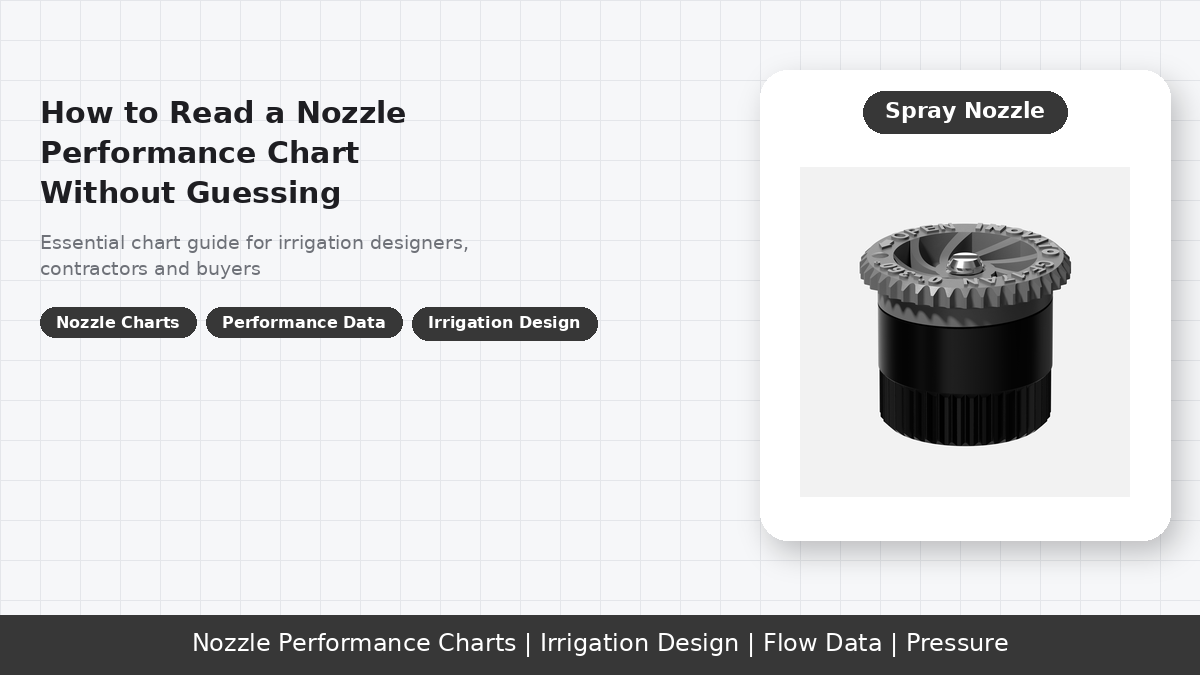
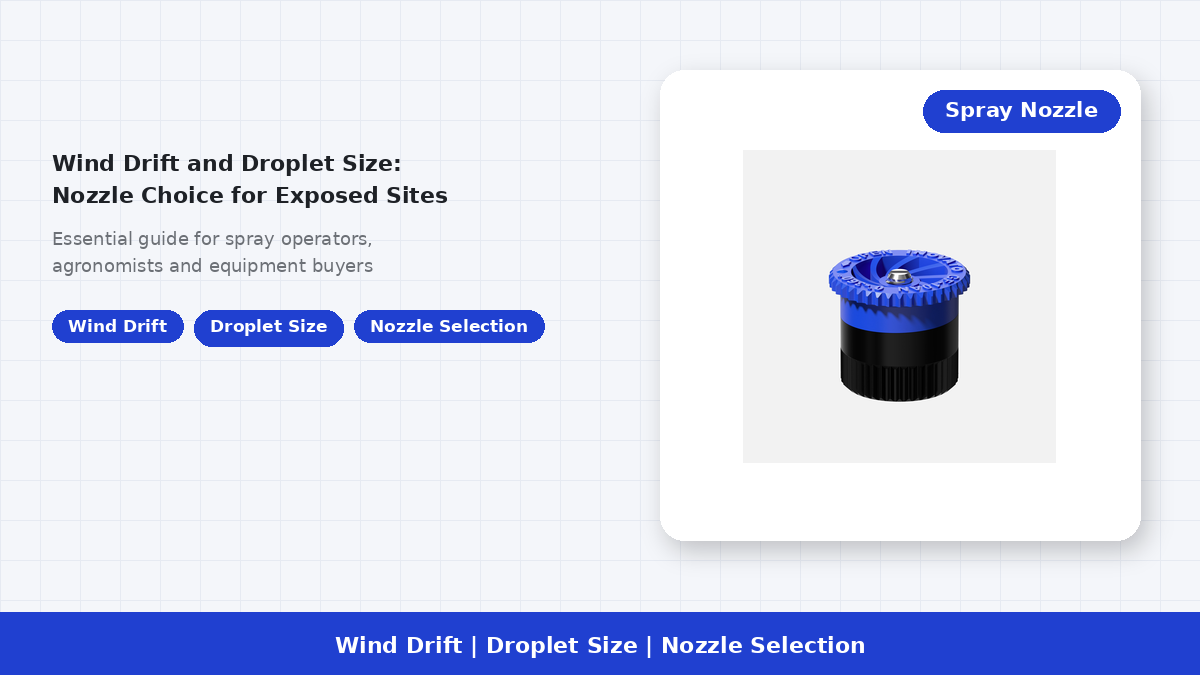
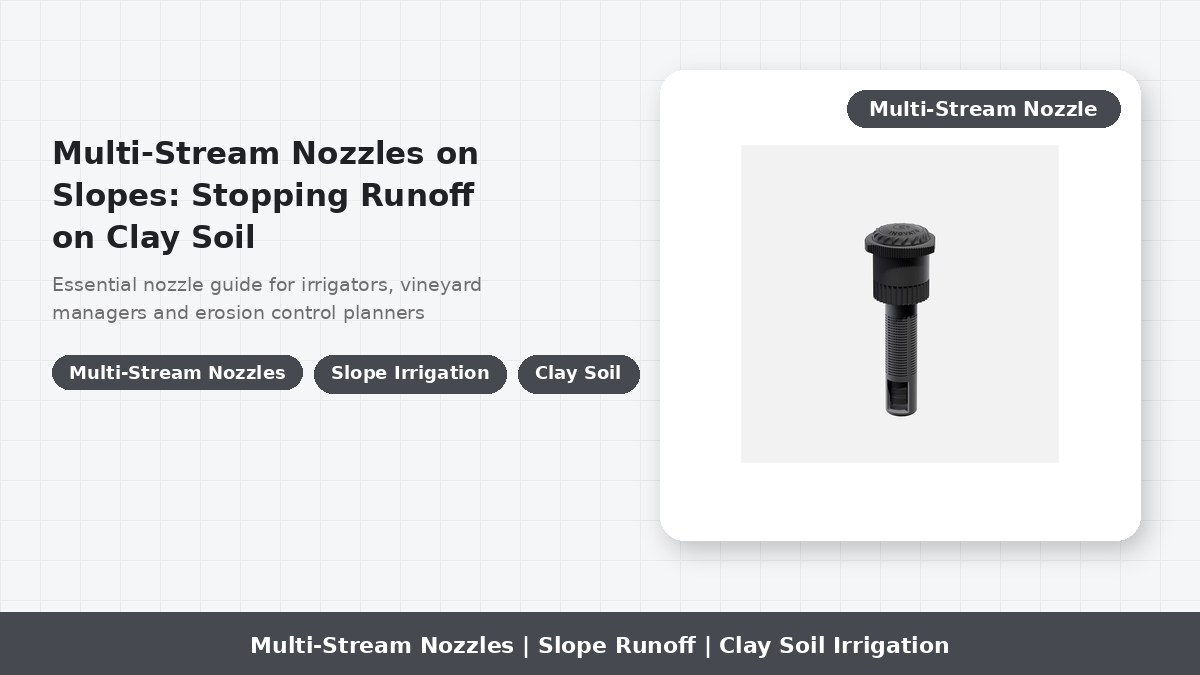
Our RF nozzle range and the SF-PRS pressure regulated spray bodies cover the other half of the market, and they are deliberately built the opposite way round.
- Pressure: RF nozzles are published at 2.8 bar (40 PSI) recommended and 1.7 bar (25 PSI) minimum, and the SF-PRS bodies regulate the pressure downstream, with PRS30 holding 30 PSI and PRS40 holding 40 PSI at an optimum working pressure of 2.1 bar.
- Precipitation rate: published as low, which is the feature that makes spray bodies the usual choice for germination, seed establishment and gentle watering on slopes.
- Arc and adjustment: the RF201 adjusts from 90° to 210°, the RF304 gives a full 360°, and on all models the radius can be reduced by up to 25% to square off a zone or pull water back from an edge.
- Protection features: a removable filter screen against debris and the double-pop feature that keeps the nozzle from being damaged from outside.
The SF-PRS bodies also carry drain check valves in 7.5 cm, 10 cm, 15 cm and 30 cm versions, covering elevation differences of up to 3 m, which on sloped sites is the difference between a dry spot and a ponded one. Wind is the other design constraint on exposed sites, and it is worked against the minimum design loads rather than against the sprinkler itself, which is the subject of our wind drift and droplet size guidance. Because low precipitation rate means the same weekly depth of water takes longer to apply, a spray zone buys its gentler watering with more runtime hours, and those hours are paid for in pump energy and in wear.
The Worksheet: Build the Zone Cost Without a Single Price
Here is the table I would put in front of a buyer, with every cell either published data or a blank for their own rate card.
| Line in the zone | Rotor zone with HF02-04 | Spray zone with RF nozzles | Source of the number |
|---|---|---|---|
| Heads per hectare | About 104 at 9.8 m spacing, about 204 at 7.0 m | 10,000 divided by your spacing squared | Published 4.9–14.0 m throw, spacing at 50–70% of throw diameter |
| Precipitation rate | About 10 mm/h | Low precipitation rate by design | Published product data on both sides |
| Weekly runtime | Gross weekly depth divided by 10 mm/h | Gross weekly depth divided by the lower rate | Matched precipitation keeps the volume identical |
| Working pressure | 1.7–4.5 bar recommended | 1.7 bar minimum, 2.8 bar recommended, regulated downstream | Published product data |
| Valves and drain check valves | One valve per zone | One valve per zone, plus drain check valves up to 3 m elevation | Published SF-PRS valve range |
| Pipe and fittings | Fewer laterals, fewer heads | More laterals, more fittings, more joints | Follows from head count |
| Installation labour | Scales with head count | Scales with head count | Your own rate card |
| Unit price per head | Your quote | Your quote | INOVATO quotes per project, no public price list |
Because precipitation rate is the only line that decides how much water a zone moves, matching it makes the comparison clean: the water bill is the same, and every difference left is a hardware and labour difference you can count. The design conventions behind spacing and precipitation rate are set out in the FAO's reference work on sprinkler irrigation, and the professional design and commissioning practice sits with bodies such as the Irrigation Association.
Where the Cost Hides: Moulds, Inspection and Packaging
If you are comparing two supplier quotations for the same zone, the differences to interrogate are not in the part price but in three lines most RFQs never mention.
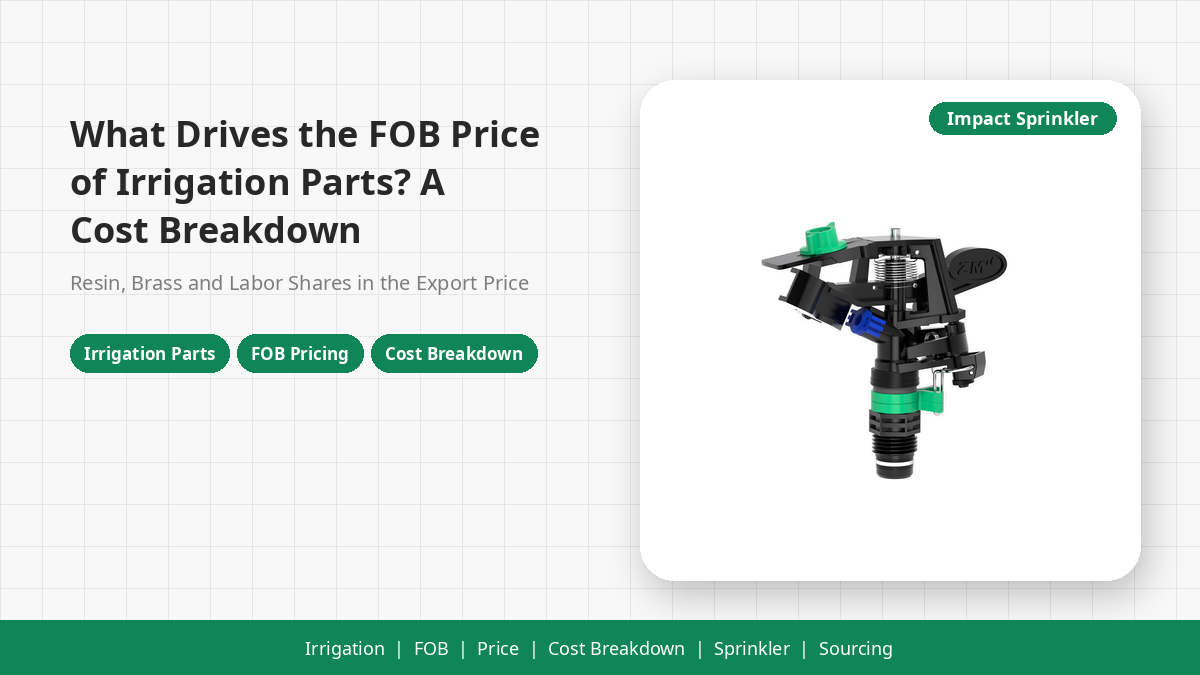
Our published breakdown of what drives the FOB price of irrigation parts is the clearest statement I have seen of the issue, and it applies directly to a zone order.
- Mould amortisation. On the plastic family, injection moulding sits at 14–18% of FOB, and it is the single most negotiated line in a plastic-part RFQ. Mould sets are a four-figure to low-five-figure line per cavity, so a short run under roughly 3,000 pieces pushes forming above 25% of the unit cost, while 50,000 pieces and above compresses it toward 8–10%. Because order volume moves the unit cost more than the material does, the same zone ordered in two splits is not the same price as the same zone ordered once.
- Inspection. Published at 3–5% of FOB and, in our experience, the most frequently under-quoted line: sampling, pressure testing and rotation uniformity. A 1.5% swing in the inspection rate on a large order is a full quarter-point of FOB.
- Packaging. 5–8% on the plastic family against 3–5% on brass, because lighter parts fit more units into the same carton and the same shipping cube.
Two structural points follow. The same specification in a different material family is not the same price, and the difference is not marginal. And a buyer comparing FOB quotes without normalising material family, order volume, packaging specification, inspection scope and Incoterm version is comparing two different products.
Reading the INOVATO Dealer Pricing Policy as a Buyer
Our dealer pricing policy is public, and it is worth reading carefully because it tells you how a quotation from us will be structured before you ask for one.
The policy screens applicants on three criteria: whether dealers already exist in your region, your understanding of the market in your area including capacity, competition and sales levels, and your capability to represent and promote the brand. Around that sits a global agency marketing empowerment programme with support for resellers and dealers.
Two consequences for a buyer comparing zone costs. First, there is no public price list to anchor a comparison against, which is exactly why the worksheet matters: you compare structures and counts, then ask each supplier for the same scope. Second, the policy tells you what a supplier needs from you before a quote means anything, and the answer is a zone layout, not a part number.
Because the same inputs produce comparable quotations, I would fix the head count, the spacing, the precipitation rate, the pressure, the packaging specification, the inspection scope and the Incoterm before asking any supplier for a number, and then compare the numbers that come back.
Frequently Asked Questions
Is a rotor always more expensive per zone than spray bodies?
Not necessarily, and it is the wrong comparison alone. A rotor head costs more per unit than a spray body but covers far more ground, so head count, pipe run, valves and labour all fall. Compare heads per hectare and the hardware that follows, then the quoted rates inside that structure.
How do I calculate heads per hectare from the published throw?
Divide 10,000 by the spacing squared, with spacing in metres. For the HF02-04 at its published 14.0 m throw the diameter is 28 m, and spacing at 50 to 70% of that gives 7.0 to 9.8 m, about 204 down to 104 heads per hectare. For spray bodies, use your own spacing in the same formula.
Does precipitation rate change the water cost between a rotor zone and a spray zone?
Not if the rates are matched. Precipitation rate is the depth applied per runtime hour, so matched rates mean the same volume per square metre over a season. What changes is runtime: a low rate needs more hours for the same weekly depth, and those hours cost pump energy and wear on the compressor, valves and nozzles.
Why do pressure regulating spray bodies matter for zone cost?
Because pressure variation inside a zone turns into uneven output, and the usual response is to run longer, which costs energy and wear on every moving part. Our SF-PRS bodies regulate 30 PSI or 40 PSI at an optimum working pressure of 2.1 bar, and drain check valves in 7.5 cm, 10 cm, 15 cm and 30 cm cover elevation differences up to 3 m. One caveat: a regulator set below the nozzle minimum flow stops the zone working properly, which is a sizing error rather than a product defect.
What should I fix before asking for a zone quotation?
Seven things: heads per hectare and spacing, the precipitation rate the zone must match, the working pressure range, the packaging specification, the inspection scope, the order volume and split plan, and the Incoterm version. With those fixed, quotations become comparable; without them you are comparing mould amortisation over 3,000 pieces with mould amortisation over 50,000.
Where the Decision Belongs
The rotor or spray decision is a layout decision that happens to be priced in hardware, and cost per zone follows the head count rather than the price of the head.
Most of what I know about irrigation failures came from customers sending units back with a complaint attached, and the same pattern shows up in zone cost discussions: the expensive-looking option is usually the one specified properly. Send me the area, the irrigation requirement and the two layouts you are weighing, and I will come back with the head counts, the pipe and valve counts, and the specification we would quote against.