
inquiry
Leave Your Message
0%

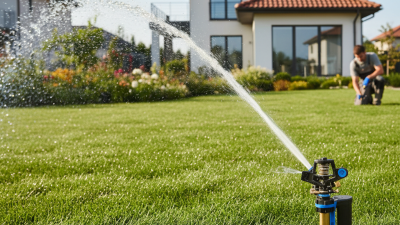
Picking the right watering system can really make a difference when it comes to keeping your landscape healthy. Did you know that, according to the Irrigation Association, using efficient irrigation can cut down your water use by up to half? One key piece of these systems is the Rotor Sprinkler. They spread water pretty evenly over large spots, making them perfect whether you've got a big yard or manage a commercial property.

When you're choosing a Rotor Sprinkler setup, there are quite a few things to think about. The size of your yard and what kinds of plants you’re growing are super important. The American Society of Irrigation Consultants points out that if you pick the wrong sprinkler, it can lead to lots of wasted water and uneven watering, which isn’t great for your plants. The goal is to find a system that works efficiently and doesn’t give you a headache with constant repairs.

And don’t forget, it’s a good idea to revisit your setup every now and then. Changes in weather or how your plants grow can throw off the performance. By staying on top of things, you ensure your Rotor Sprinkler keeps doing its job well, helping your landscape stay lush without wasting resources. Being flexible and knowing when to tweak your system is key to nailing long-term irrigation success.
Top Tips for Choosing the Right Rotor Sprinkler System?

Understanding the Basics of Rotor Sprinkler Systems

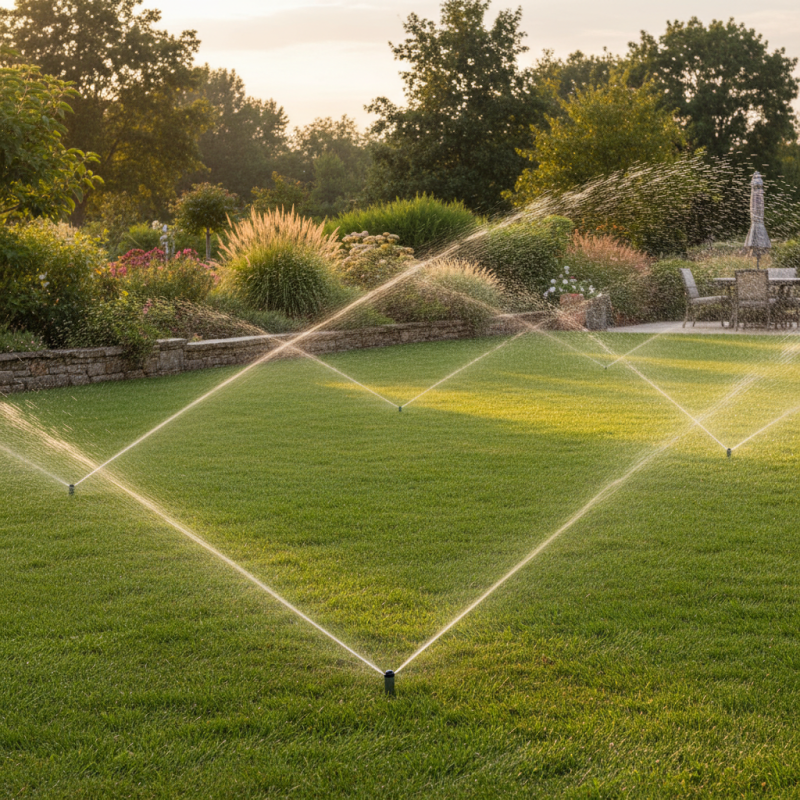
Understanding the basics of Rotor Sprinkler systems is essential for any landscaping project. These systems use rotating nozzles to deliver water evenly across large areas. This efficiency makes them a popular choice for both residential and commercial properties. The design allows for various spray patterns and coverage distances, ensuring that every corner of your garden receives adequate water.

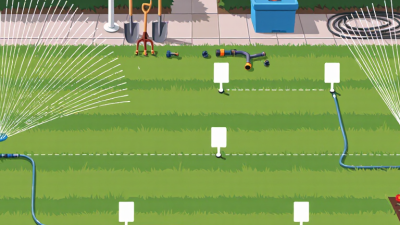
When selecting Rotor Sprinkler Heads, consider the layout of your space. Each head should cover a specific radius without overshooting to avoid waste. Placement is crucial; they should be positioned to minimize overlap. Misalignment can lead to dry patches or overwatering in some areas. Keep in mind the type of plants you have, as some require more water than others.

While Rotor Sprinkler systems provide efficiency, they require maintenance. Regular checks for clogs and adjustments are necessary. Think about the cost and longevity of the components. Sometimes, what seems like a minor issue could lead to bigger problems if neglected. This reflects the need for constant evaluation. Choosing the right system means being attentive to detail, understanding your landscape, and making informed decisions.

Top Tips for Choosing the Right Rotor Sprinkler System

Feature Importance Recommended Range Tips
Water Pressure Crucial for performance 40-60 PSI Test your water pressure before installation.
Spray Radius Coverage efficiency 15-50 feet Choose based on your lawn size.
Nozzle Type Water distribution Adjustable/Fixed Select based on your plant needs.
Adjustability Flexibility in operation High/Medium/Low Opt for systems with adjustable settings.
Durability Longevity of system High-quality materials Look for weather-resistant designs.

Identifying the Specific Needs of Your Landscape

Identifying the specific needs of your landscape is crucial when choosing a Rotor Sprinkler system. Start by evaluating your soil type, plant varieties, and climate. Research shows that different soil types absorb water at different rates. For instance, sandy soils drain quickly, while clay soils retain moisture. This affects your irrigation schedule and the type of Rotor Sprinkler system you should install.

Consider the size and layout of your garden. A well-designed system may incorporate Pop Up Rotor Sprinkler Headsfor larger areas, allowing for even distribution. According to recent reports, properly spaced Rotor Sprinklers can reduce water wastage by 30%. This means selecting the right head size and spray pattern is essential. Overwatering can lead to root rot and under-watering stresses plants.

Look at the sun exposure in your garden. Some areas may require more water due to higher evaporation rates. Utilize technology such as soil moisture sensors to monitor water levels. This can help determine if your choice of Rotor Sprinklers is meeting your landscape’s specific needs. Not every system will be a perfect fit, and adjustments may be necessary over time.

Evaluating the Types of Rotor Sprinklers Available

When evaluating Rotor Sprinklers, it’s crucial to understand the various types available. Rotor Sprinklers can be divided into gear-driven and impact models. Gear-driven options offer better efficiency and precise watering. They are ideal for medium to large lawns because of their adjustable radius and arc settings. According to industry studies, gear-driven sprinklers can reduce water wastage by up to 30% compared to traditional models.

Impact sprinklers, on the other hand, are perfect for large, open areas. They distribute water in a circular motion, creating a broader coverage. However, they may not be as efficient in densely planted gardens. The utilization of these sprinklers can lead to uneven water distribution, sometimes resulting in dry or oversaturated spots. Notably, the efficiency of both types heavily depends on professional installation and system adjustments.

Water pressure plays a significant role in the performance of both systems. As a guideline, optimal pressure for Rotor Sprinklers usually ranges from 30 to 50 PSI. However, many homeowners underestimate the importance of pressure regulation. A lack of adequate pressure can diminish the performance of any sprinkler system, leading to unsatisfactory results. Hence, proper evaluation and expert consultation are essential when selecting the right Rotor Sprinkler system for individual needs.

Key Factors Influencing Rotor Sprinkler Performance

When selecting a Rotor Sprinkler system, understanding key factors that influence performance is crucial. One important aspect is the sprinkler's throw distance. It determines how far the water reaches. A longer throw distance can cover larger areas effectively, but might lead to uneven watering. You must balance coverage and efficiency.

Another critical factor is the rotor's application rate. This indicates how much water is delivered over time. A high application rate may saturate the soil quickly, causing runoff and waste. Conversely, a low rate can lead to dry patches. It’s essential to choose a system that matches your landscape's needs, such as soil type and plant species.

Wind can impact sprinkler performance noticeably. Windy conditions can cause water to drift away from intended areas. This is something to think about. Adjustments to the sprinkler's settings may be necessary on blustery days. Evaluate your local climate, as it can influence your system's effectiveness. Consider these variables to ensure you choose a rotor sprinkler system that works well in your unique environment.

Assessing Water Pressure and Flow Rate Requirements

When choosing a rotor sprinkler system, assessing water pressure and flow rate is crucial. The right system enhances irrigation efficiency. Without sufficient pressure, the sprinkler may not deliver water evenly. A Gear Drive Rotor Sprinkler may struggle if your pressure is low. Monitoring the local water supply can provide insights into your availability.

Flow rate is another key factor. Each sprinkler has a specific flow requirement for optimal performance. Measure the flow rate from your water source. Use a simple bucket test to determine how many gallons per minute you can deliver. Understand that a higher flow rate may not always be beneficial. Some areas need slower rates to avoid runoff and wastage.

Inadequate assessment can lead to poor system performance. It can also result in uneven watering and dry spots. Balancing water pressure and flow is essential. If the specs don’t match your garden’s needs, adjustments may be necessary. A well-chosen Gear Drive Rotor Sprinkler, suited to your pressure and flow situation, ensures a lush landscape. Don't ignore these details; they make a significant difference.

Considering Installation and Maintenance Aspects

Top Tips for Choosing the Right Rotor Sprinkler System?

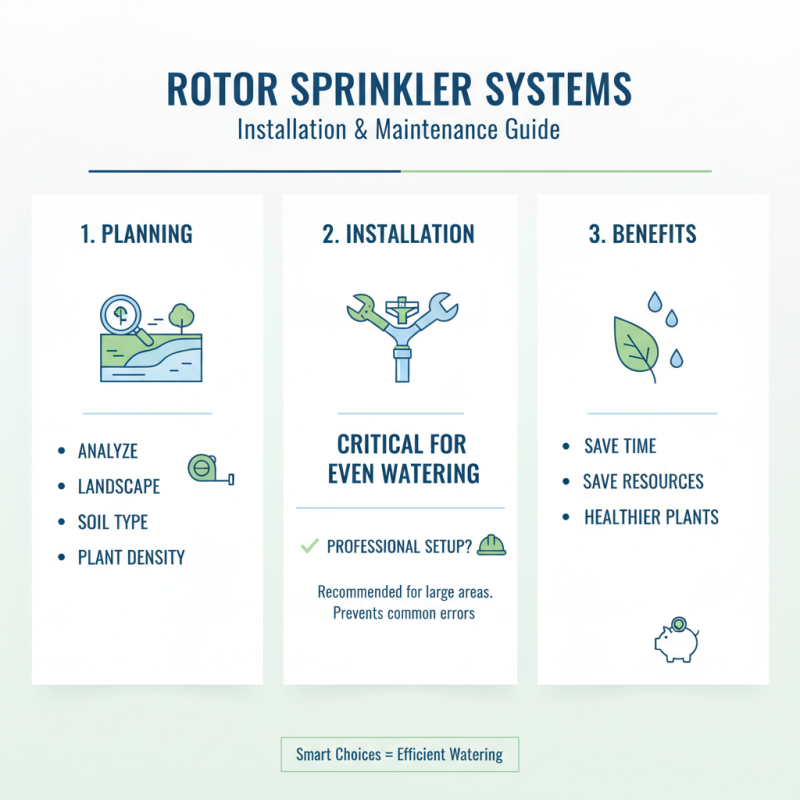
When selecting a rotor sprinkler system, installation is key. A poor setup can lead to uneven watering. Always analyze your landscape before installation. Consider factors like soil type and plant density. Understanding these elements can save you time and resources. Hiring a professional for the setup might be wise, especially for larger areas. Their expertise can prevent common mistakes.

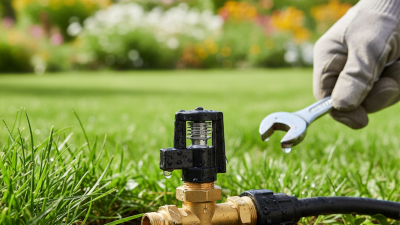
Maintenance is another crucial aspect. Regularly check for clogs or leaks. A broken sprinkler head can waste water. Cleaning the filters each season is necessary for optimal performance. It’s an ongoing task that requires attention. Some users overlook this, leading to more significant issues. Keeping a maintenance schedule can help mitigate problems. Simple tasks like adjusting the spray pattern can also improve efficiency.

Budgeting for Your Rotor Sprinkler System Choice

Top Tips for Choosing the Right Rotor Sprinkler System?

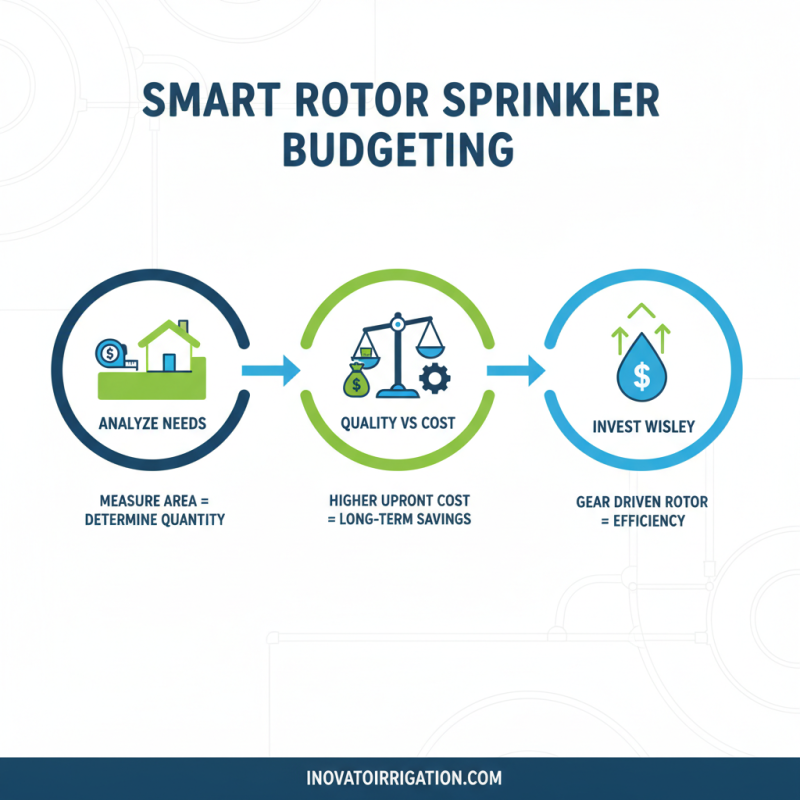
When budgeting for your rotor sprinkler system choice, it's essential to analyze your needs thoroughly. Understand the size of your lawn or garden. Measure the areas that require irrigation. This will help determine how many sprinklers you will need. Choose a cost-effective solution that doesn’t compromise quality. A quality Gear Driven Rotor Sprinkler might cost more upfront but can save you money over time.

Consider the installation and maintenance costs, too. Some systems might have lower initial costs but can lead to higher maintenance expenses. It’s wise to request quotes from different service providers. You may find significant discrepancies in labor charges. Ask friends or landscapers for recommendations to ensure you're hiring reliable professionals.

Don’t forget about water usage. An efficient system conserves water and reduces bills. Research designs that incorporate features like adjustable spray patterns. They can provide more efficient coverage for various plant types. Reflect on your long-term goals. Investing wisely today lays the foundation for a flourishing garden tomorrow.

Maximize Your Garden's Potential: Exploring the Benefits and Features of the HF02-04 Gear Drive Sprinkler

The HF02-04 Gear Drive Sprinkler stands out as an essential tool for maximizing your garden's potential. With its impressive capability to adjust between 60° and 360°, this sprinkler allows for tailored watering solutions that meet the needs of various garden layouts. Whether you are nurturing turfgrass or adding a touch of greenery with shrubs and flowers, this sprinkler ensures comprehensive coverage with minimal effort.

This versatile 4-inch sprinkler model comes equipped with eight standard nozzles and four low-angle nozzles, making it adaptable to different watering requirements. The inclusion of multiple nozzles means you have the flexibility to select the optimal spray pattern and intensity for your specific plants, ensuring they receive the right amount of hydration. Furthermore, with a convenient ¾" inlet, installation is straightforward, allowing you to upgrade your watering system quickly and efficiently.

Choosing the right sprinkler can significantly enhance your garden's health and aesthetic, and the HF02-04 offers features that promote this ideal. From its precise adjustment capabilities to its user-friendly design, this gear drive sprinkler opens up a world of possibilities for gardening enthusiasts looking to cultivate lush, thriving landscapes.

FAQS

: What are rotor sprinkler systems?

: Rotor sprinkler systems use rotating nozzles to deliver water uniformly across large areas, ideal for landscaping.

How do I choose the right rotor sprinkler heads?

Consider your space layout. Each head must cover a specific radius without wasting water or overlapping.

Why is placement important for these systems?

Proper placement prevents dry patches and overwatering. Misalignment can cause inefficient water distribution.

What maintenance do rotor sprinkler systems require?

Regular checks for clogs and adjustments are necessary. Minor issues can escalate if not addressed promptly.

How does wind affect sprinkler performance?

Wind can cause water to drift away from intended areas, leading to uneven coverage. Adjust settings on windy days.

Why is water pressure critical for rotor sprinklers?

Insufficient pressure can hinder even water delivery. Assess local water supply for effective irrigation.

How do I measure the flow rate for my sprinkler system?

Perform a bucket test to measure how many gallons per minute your source can deliver.

What happens if the flow rate is too high?

A high flow rate may lead to runoff and wastage. Some areas need slower rates for effective irrigation.

What should I consider about my landscape before choosing a system?

Understand your soil type and plant species. Match the system's application rate to your landscape’s needs.

How can I ensure optimal system performance?

Balance water pressure and flow rate. Regular evaluation of system settings is vital for lush landscaping.

Conclusion

When choosing the right rotor sprinkler system for your landscape, it's essential to first understand the basics of how these systems work. Assess your specific landscape needs, including the size and type of vegetation, to determine the most suitable rotor sprinkler options. Various types of rotor sprinklers are available, each with unique features that cater to different watering requirements.

Key factors impacting the performance of rotor sprinklers include water pressure and flow rate, which must align with your system specifications for optimal performance. Additionally, consider the installation and maintenance aspects to ensure long-term functionality. Finally, setting a budget for your rotor sprinkler system is crucial, as it guides your selection process and helps balance quality with cost-effectiveness. Making informed choices in these areas will result in a more efficient and effective irrigation system.
Isabella

Isabella

Isabella is a dedicated marketing professional at Yuyao Sun-rainman Irrigation Equipment Factory, a company that has been at the forefront of water-saving technologies since its establishment in 2005. With a deep understanding of the irrigation industry, Isabella plays a pivotal role in promoting......
Previous 2026 Top High Quality Wholesale Garden Sprinkler Options Available?
Next Top Water Pressure Nozzles for China Buyers in 2026?