inquiry
Leave Your Message
0%

When it comes to choosing a Water Sprinkler, most global buyers don’t just go by how it looks. Instead, they tend to compare things like how well it covers the area, what pressure it needs, the materials it’s made from, how easy it is to install, and how readily spare parts are available. For example, a small rotor might be perfect for watering a big lawn, while a fixed spray head could be better for narrower garden beds. On paper, both options might seem equally efficient, but in real life—things like the wind, uneven water pressure, and tricky layout can totally change how well they perform.

Now, keep in mind, this guide focuses on practical irrigation checks rather than guaranteeing perfect performance. Also, the quote from Alex Morgan about matching the sprinkler to the site before comparing prices? That’s just an example for illustration, not a real expert’s advice. The point is, buyers should double-check product specs, test coverage if they can, and ask sellers questions about maintenance and spare parts. The little details matter—a filter that’s tough to remove can turn routine cleaning into a headache, and mismatched fittings can hold up installation. So, these ten tips are here to help folks ask the right questions and avoid assumptions when shopping worldwide. Of course, nothing beats checking out the site in person, but these tips should definitely help you make smarter choices without surprises.

Hope that makes things clearer—and good luck with your irrigation shopping!
10 Water Sprinkler Buying Tips for Global Buyers

Identify Your Irrigation Needs and Site Conditions

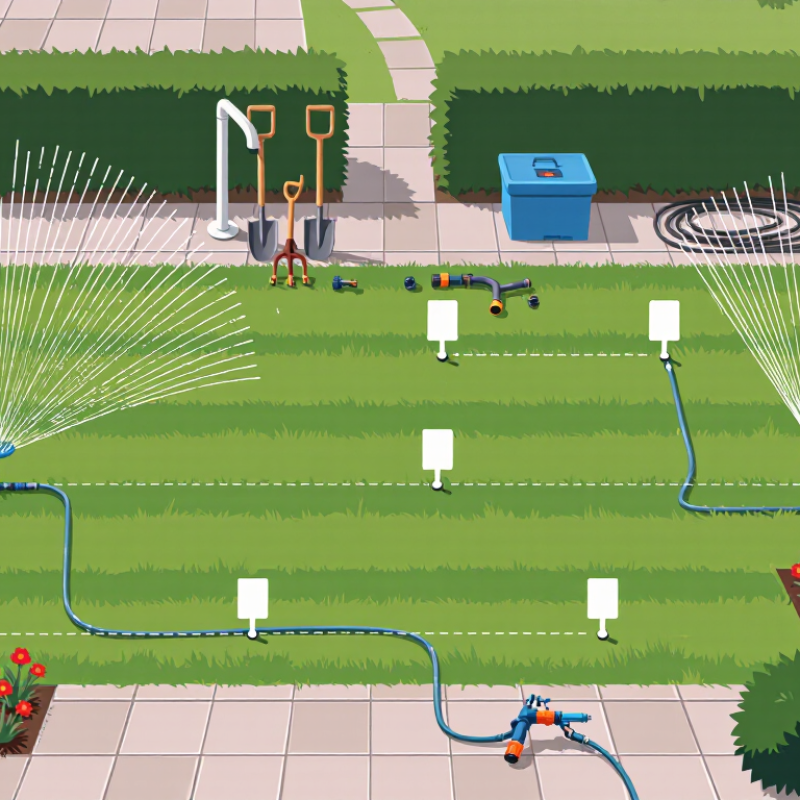
Before choosing a Water Sprinkler For Garden, map the areas that actually need water. Note lawn shape, planted beds, paths, and dry corners beneath trees. Measure the garden rather than relying on a quick visual estimate. A narrow strip beside a fence may need a different spray pattern from an open lawn. Also consider how often you can move or adjust the sprinkler.

Site conditions affect coverage. Check water pressure and flow at the outdoor tap, especially if other fixtures may run at the same time. Low pressure can leave dry patches, while strong wind can push spray onto paving. Slopes and compacted soil matter too: water may run off before it soaks in. My first layout estimate is rarely perfect; a simple test with empty containers can reveal uneven coverage. It takes a little time.

Tips: Run the sprinkler for ten minutes and compare water levels in containers placed around the garden. Adjust its position or spray range if some collect much less. Check the soil afterward, not just the surface. Damp soil is the goal. On clay-heavy ground, shorter watering cycles may reduce runoff. Recheck after trimming hedges or changing garden beds, since obstacles can alter the spray.

Compare Sprinkler Types and Coverage Patterns

Choosing a sprinkler starts with the shape of the area, not the largest coverage figure on the package. Fixed spray heads suit compact beds and narrow strips, where a steady fan can reach nearby plants. Rotary models send rotating streams across wider areas and often work better on open lawns. Oscillating sprinklers sweep back and forth over rectangular ground, but may miss corners if their width or range is poorly adjusted.

Impact sprinklers can cover broad, unobstructed spaces, though their strong streams may scatter on paths or delicate plants. Drip irrigation is different: it delivers water close to roots rather than creating a broad spray pattern, making it useful for rows and planted borders. Check operating pressure and flow rate before comparing stated coverage. A sprinkler’s advertised reach can change with water supply and wind.

Overlap matters. Set catch cans around the edges and center, run the system briefly, then compare the collected water. Dry patches reveal gaps; deep puddles suggest overlap or excessive run time. I still find coverage easy to misjudge from a diagram alone. Check the wind. Even a calm-looking afternoon can shift fine spray onto a fence or walkway. A simple field test is less tidy than a chart, but usually more revealing.

Typical Sprinkler Throw Radius by Type

Use these general planning ranges to compare coverage patterns. Actual throw depends on nozzle, water pressure, and wind.

Coverage patterns: Fixed spray heads produce a stationary fan-shaped spray; rotary nozzles apply rotating streams; gear-drive rotors and impact sprinklers rotate across larger areas. Throw radius is measured from the sprinkler to the edge of its wetted area. For uniform irrigation, plan for adjacent sprinkler coverage to overlap.

Check Flow Rate, Pressure, and Water Efficiency

A Water Sprinkler System should match the site’s flow rate and operating pressure, not just its advertised coverage. Check the water source with a simple bucket test: time how long it takes to fill a known volume, then calculate litres per minute. Compare that figure with the sprinkler’s stated demand. If several heads run together, add their flow requirements; otherwise, distant heads may produce weak, uneven spray. Use a pressure gauge at the outdoor tap, because pressure can drop when other fixtures are running. Small detail. It matters.

Water efficiency depends on more than the sprinkler’s design. The US Environmental Protection Agency’s WaterSense guidance estimates that up to 50% of outdoor water use can be lost through wind, evaporation, runoff, or overwatering. Choose a spray pattern suited to the actual bed or lawn, and watch for mist drifting onto paths. For a sloped garden, shorter watering cycles can reduce runoff. A broad spray may look impressive, but it can miss narrow planting strips and wet the pavement instead.

The Food and Agriculture Organization reports that agriculture accounts for roughly 70% of global freshwater withdrawals, a reminder that irrigation choices matter beyond one garden. Still, published efficiency figures cannot predict performance at every site. Soil type, wind, pipe layout, and local water pressure all change the result. I would test one zone before buying several matching units. It is less convenient, perhaps, but real-world coverage can be surprisingly different from a product chart.

Confirm Materials, Durability, and Climate Suitability

Before buying a Water Sprinkler For Lawn, match its materials to water quality and outdoor exposure. UV-stabilized polymer can resist sunlight better than untreated plastic, while brass or stainless-steel fittings may handle repeated connections well. Check the metal grade, seals, and stated operating-temperature range; “corrosion-resistant” alone is vague. Look for drainage instructions if freezing weather is possible. Small details matter. A specification sheet cannot show how a joint will feel after months outdoors, so inspect replacement-part availability too.

Climate fit affects performance and water use. NOAA’s 1991–2020 U.S. Climate Normals provide local monthly temperature and precipitation data; use them to assess frost risk and dry-season demand. Windy sites may need lower spray trajectories, while hard water can leave deposits in small nozzles. The U.S. EPA WaterSense program estimates that landscape irrigation accounts for nearly 30% of household water use in the United States, or almost 9 billion gallons daily. That figure is a useful reminder, not a promise of savings: sprinkler coverage, scheduling, and maintenance all matter. Check the spray pattern in your own yard. It may behave differently than expected.

Verify Standards, Certifications, and Compatibility

Before comparing spray patterns, confirm which standards apply in the destination market. Requirements can differ by product type, installation, and intended use. Ask the supplier for the exact standard number, edition, and test scope, not a generic claim of “certified.” Check that the certificate identifies the same model and configuration you plan to buy. Small detail. A nozzle change may matter.

A document is useful only when its issuer and scope can be verified. Look up the certification body through its official directory, then compare model numbers, dates, and listed test results. For example, a report for a plastic housing may not cover the complete sprinkler assembly. Keep copies with purchase records. I still find paperwork easy to underestimate.

Compatibility deserves a physical check, not just an email confirmation. Match inlet thread type and size, operating pressure, flow rate, and connection method to your existing pipes and pump. A unit rated for higher pressure may mist poorly or leak on a low-pressure line. Check filter requirements, too; grit can clog fine nozzles. If possible, request a sample and test it with the actual hose, fittings, and water pressure. Measurements may vary between batches, so leave a practical tolerance. It is not perfect, but it is safer than assuming similar-looking parts fit.

10 Water Sprinkler Buying Tips for Global Buyers - Verify Standards, Certifications, and Compatibility

No. Buying tip What to verify Why it matters
1 Identify the applicable local code Confirm the requirements of the authority having jurisdiction (AHJ), local building and fire codes, and the project specification. NFPA 13 is used in many jurisdictions; other regions may apply national or regional rules. Requirements differ by market and project. A product or design accepted in one location may not be accepted in another.
2 Check the exact product approval Ask for current, verifiable listing or approval documentation for the exact sprinkler model and configuration. Relevant standards may include UL 199, EN 12259-1, or ISO 6182-1, depending on the market and project. A standard or certification mark alone does not confirm that a particular model is accepted for every application or jurisdiction.
3 Match the sprinkler to the hazard and application Confirm the intended occupancy, hazard classification, storage arrangement, ceiling conditions, and sprinkler type against the approved system design. Sprinkler selection and layout depend on the protected space and design criteria, not just the pipe connection or product description.
4 Verify response type and temperature rating Check whether the design calls for standard-response or quick-response sprinklers and confirm the specified temperature rating against expected ambient conditions and the product approval. Response characteristics and temperature ratings affect product suitability; substitutions should be reviewed against the approved design and local requirements.
5 Confirm K-factor and hydraulic design requirements Compare the sprinkler K-factor and its stated units with the hydraulic calculations. Check required flow and pressure using the same unit system as the project documents. K-factor, flow, and pressure are interrelated. A unit or model mismatch can make the sprinkler unsuitable for the system design.
6 Match connection type and dimensions Verify the specified thread or connection, nominal size, and installation dimensions. For example, NPT and tapered pipe threads specified to ISO 7-1 are different systems and should not be assumed interchangeable. A connection mismatch can prevent proper installation or sealing. Confirm compatibility with the fittings and piping in the project.
7 Check orientation, coverage, and obstructions Confirm the approved orientation (such as upright, pendent, or sidewall), spacing, coverage limits, ceiling details, and clearance from beams, lights, ducts, and other obstructions. Orientation and placement affect water distribution and must follow the applicable design standard and approved layout.
8 Assess materials and corrosion exposure Review the body, seal, finish, and any protective coating for the environment, including humidity, coastal exposure, chemicals, or other corrosive conditions. Use only configurations approved for the intended environment. Environmental conditions can affect service life. A coating or material should not be treated as suitable without supporting product documentation.
9 Review operating limits and system compatibility Compare the sprinkler’s documented pressure and temperature limits with system conditions. Confirm compatibility with the specified piping, fittings, water supply, and installation method. The sprinkler must operate within its approved limits and as part of the system design; component compatibility cannot be assumed from size alone.
10 Request traceable documents and maintenance guidance Obtain datasheets, installation instructions, approval records, model identification, and storage and inspection guidance. Confirm that records match the supplied product. NFPA 25 is one commonly used reference for inspection, testing, and maintenance where adopted. Traceable documentation supports approval checks, correct installation, ongoing maintenance, and future replacement planning.

Note: Standards and approval requirements vary by jurisdiction and application. Confirm the project requirements with the AHJ and qualified fire-protection professionals before purchasing or substituting components.

Evaluate Suppliers, Pricing, and Warranty Terms

When comparing suppliers, ask for a pressure-flow test sheet, nozzle specifications, and the recommended operating range. A Grass Water Sprinkler may look suitable in a catalogue but perform poorly when site pressure varies. Ask how the supplier checks uniformity and whether replacement filters and nozzles are available. Small details matter. UNESCO’s 2023 United Nations World Water Development Report estimates that agriculture accounts for about 70% of global freshwater withdrawals. That figure is not a product-efficiency rating; it is a reason to request test evidence rather than rely on broad water-saving claims.

Compare the full delivered cost, not just the unit price. Include freight, spare parts, installation requirements, and the cost of replacing worn components. Request quotations using the same flow rate, pressure, materials, and order quantity. Paper promises are cheap. Ask for evidence. Check whether the supplier can provide dated test results and clear answers about lead times. A hesitant answer is not proof of poor quality, but it deserves follow-up.

Read warranty terms before paying. Confirm the coverage period, parts and labor provisions, exclusions for sediment or incorrect pressure, and the process for filing a claim. Ask who pays return shipping and how quickly replacement parts are dispatched. One awkward point: warranty language can seem clear until a claim begins. Keep the written quotation, technical sheet, and warranty document together, and have the supplier confirm any verbal commitments by email.

Plan Shipping, Installation, and After-Sales Support

For international orders, treat shipping as part of sprinkler selection. UNCTAD’s Review of Maritime Transport 2024 reports that seaborne trade grew 2.4% in 2023. Transit schedules can shift, so request a shipment plan with production dates, packed dimensions, and expected arrival windows. Check that cartons protect nozzle threads and pressure gauges from impact and moisture. Small parts disappear easily.

Installation needs site data, not guesswork. Record inlet pressure, flow rate, pipe size, water quality, and intended coverage before confirming a model. The UN World Water Development Report 2021 attributes about 69% of global freshwater withdrawals to agriculture, making efficient application important. For landscape buyers, the US EPA estimates outdoor use accounts for nearly 30% of household water use. Test one unit at the actual site. A pressure reading on paper can still mislead.

After-sales support should be agreed before payment. Ask for a clear spare-parts list, setup instructions, warranty scope, and response times across time zones. Confirm whether replacement nozzles and seals can ship separately, and keep installation photos with batch details. Request remote troubleshooting, but do not rely on it alone; a local technician may need to inspect leaks or uneven spray. Some buyers overlook this. Then a low-cost part can stop an entire line.

INOVATO HF01-04 Gear Drive Sprinkler: Adjustable Coverage from 35° to 360°

The HF01-04 gear-drive sprinkler offers adjustable coverage from 35° to a full 360°, making it easy to direct water where it is needed. Its 4-inch profile suits a range of landscape layouts, while the adjustable spray helps accommodate narrow garden borders, curved areas, and broader open spaces. Set the coverage to match the shape of your lawn or planting beds and reduce watering beyond the intended area.

Designed for practical irrigation, this sprinkler has a ½-inch inlet and includes eight standard nozzles for different watering needs. It can be used on turf, around shrubs, in gardens, and across other landscaped areas. The flexible coverage and nozzle options make it a useful choice for landscaping professionals and home gardeners seeking a straightforward way to tailor irrigation to varied outdoor spaces.

FAQS

Which sprinkler type suits a small garden bed?

Fixed spray heads work well in compact beds and narrow strips. Their steady fan reaches nearby plants.

When are rotary or oscillating sprinklers useful?

Rotary models suit wider, open lawns. Oscillating sprinklers sweep rectangular areas, but corners may stay dry. Check the range.

How can I test sprinkler coverage?

Place catch cans near the edges and center. Run the system briefly, then compare the water collected. Dry spots show gaps; puddles may signal overlap. Diagrams can mislead.

What should I check before choosing a sprinkler?

Record site pressure and flow rate. Compare them with the sprinkler’s recommended operating range. Wind can also shift fine spray onto paths or fences.

What supplier documents should I request?

Ask for a pressure-flow test sheet, nozzle specifications, and dated uniformity results. Confirm that replacement filters and nozzles are available. Ask for evidence.

How should I compare supplier quotations?

Use the same flow rate, pressure, materials, and order quantity. Include freight, installation, spare parts, and replacement costs. The lowest unit price may not be the lowest total cost.

What should I confirm in the warranty?

Check the coverage period, parts and labor, exclusions, claim steps, and return shipping costs. Keep written promises together. Warranty wording can feel clearer before a claim begins.

What details matter for shipping and installation?

Request production dates, packed dimensions, and an arrival window. Before installation, record pipe size, water quality, pressure, and flow. Small parts disappear easily.

What after-sales support should I arrange?

Request setup instructions, spare-parts lists, and response times. Keep installation photos and batch details. Remote help may not replace a local technician inspecting leaks or uneven spray.

Conclusion

Choosing the right Water Sprinkler starts with understanding the area to be irrigated, its soil, layout, and local climate. Compare sprinkler types and spray patterns to ensure even coverage, then check flow rate and operating pressure against your water supply. Efficient models can help reduce unnecessary water use while still meeting the needs of lawns, gardens, or larger sites.

Before purchasing, assess material quality, durability, and suitability for local weather conditions. Confirm that the product meets relevant standards and is compatible with your irrigation system. Compare suppliers not only by price but also by warranty, delivery arrangements, installation guidance, and after-sales support. These practical checks help global buyers select a reliable sprinkler solution that fits both site requirements and long-term operating needs.

Sophia

Sophia

Sophia is a dedicated marketing professional at Yuyao Sun-rainman Irrigation Equipment Factory, an innovative enterprise established in 2005. With a strong focus on research, development, and production, the company specializes in water-saving irrigation and water purification equipment. Sophia......
Previous Top Water Sprinkler Manufacturers for Global Buyers