

Landscape Contractors Specify HF02 Series Gear Drive Sprinklers with Through-the-Top Arc Adjustment for Residential Lawn Systems
TL;DR:Landscape contractors designing residential irrigation systems increasingly specify Gear Drive Sprinklers with through-the-top arc adjustment over fixed-spray nozzles and impact sprinklers. The gear drive mechanism delivers uniform water distribution across the entire coverage radius, while through-the-top arc adjustment eliminates the need to dig up and rotate the sprinkler body when changing coverage patterns. The HF02 series from Inovato Irrigation covers the residential sweet spot — 8-15 m radius, 40-360° arc adjustment, and debris-resistant gear train suitable for well water and municipal water supply. This article covers the gear drive mechanism's performance advantage over spray heads, the arc adjustment engineering, installation best practices for residential lawns, and the OEM sourcing structure for irrigation distributors. As a company-level article, we write from the collective experience of the Inovato team in designing and manufacturing residential and commercial irrigation products.
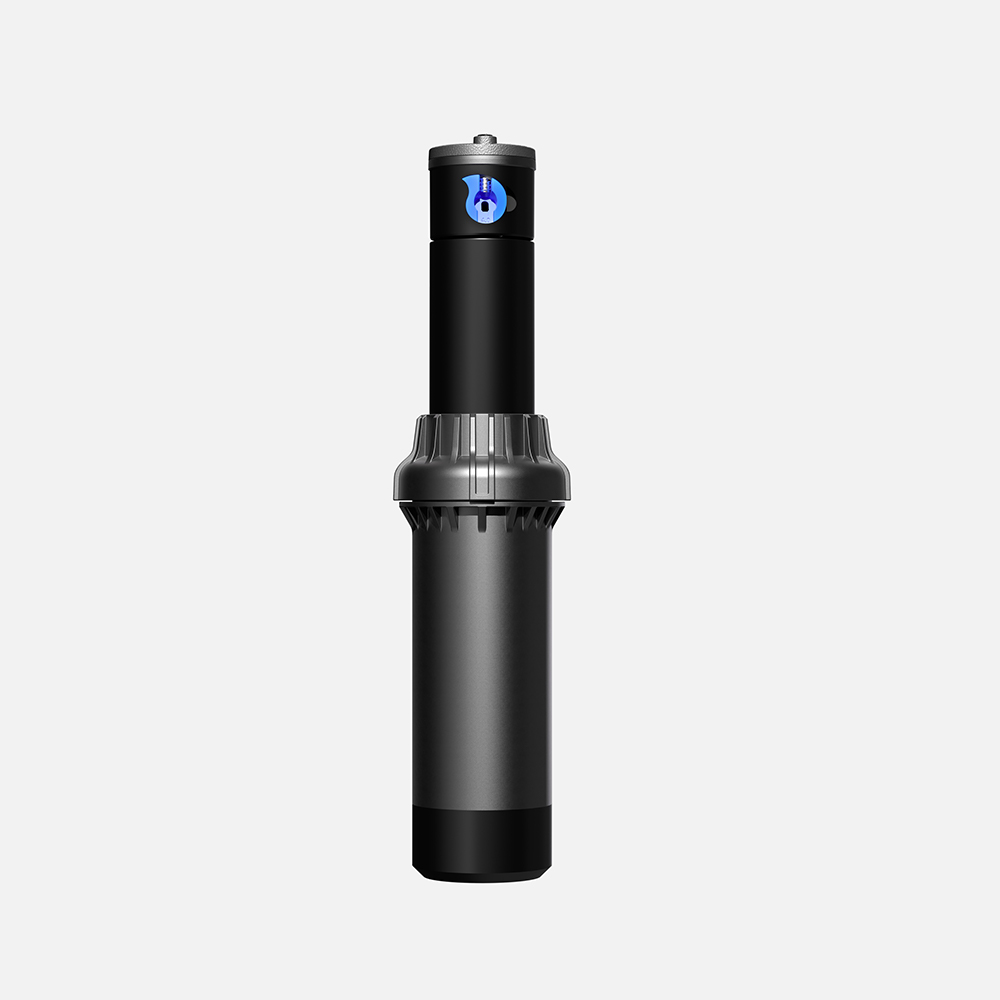
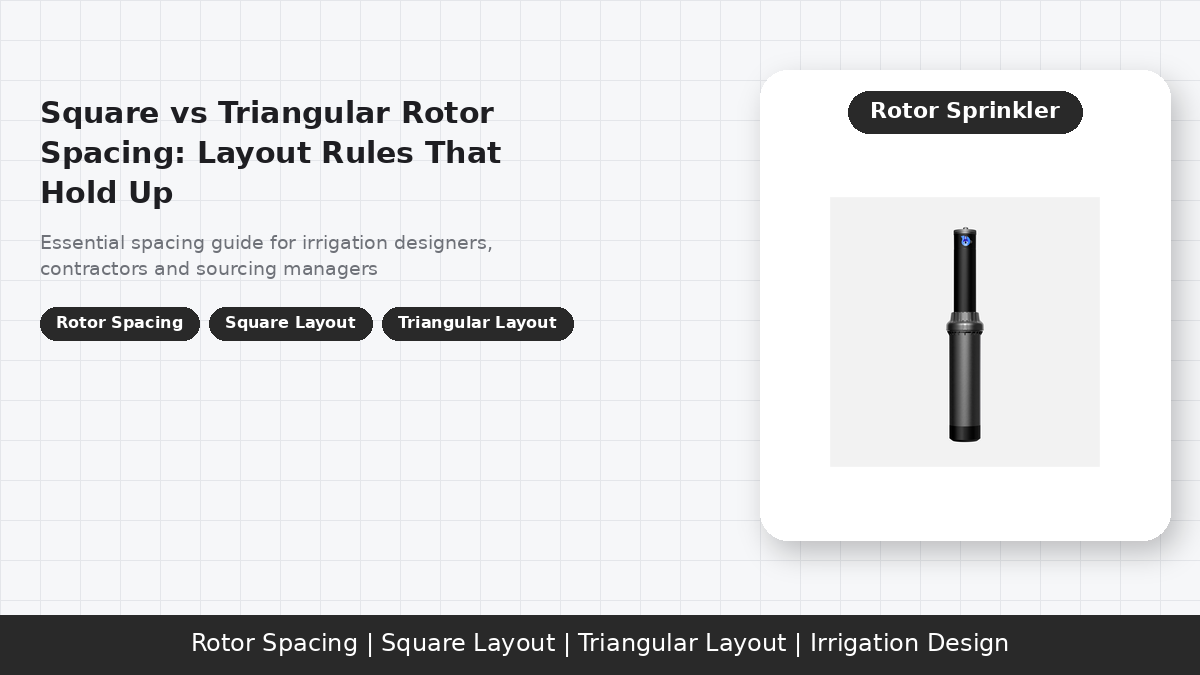
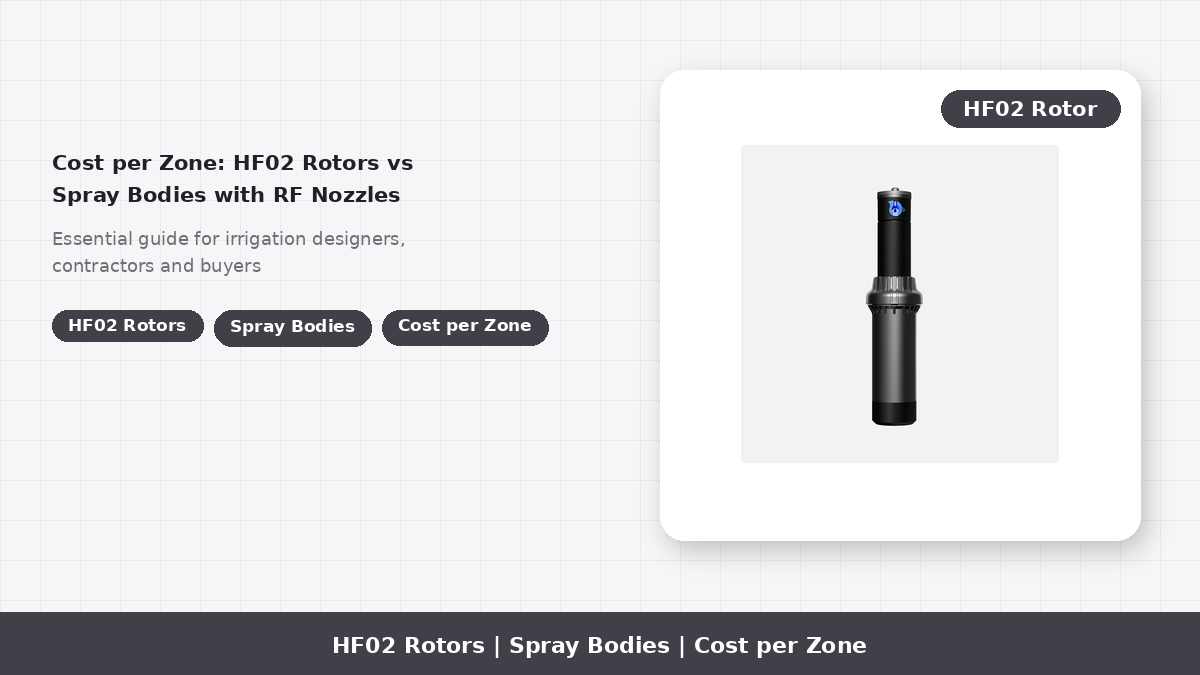
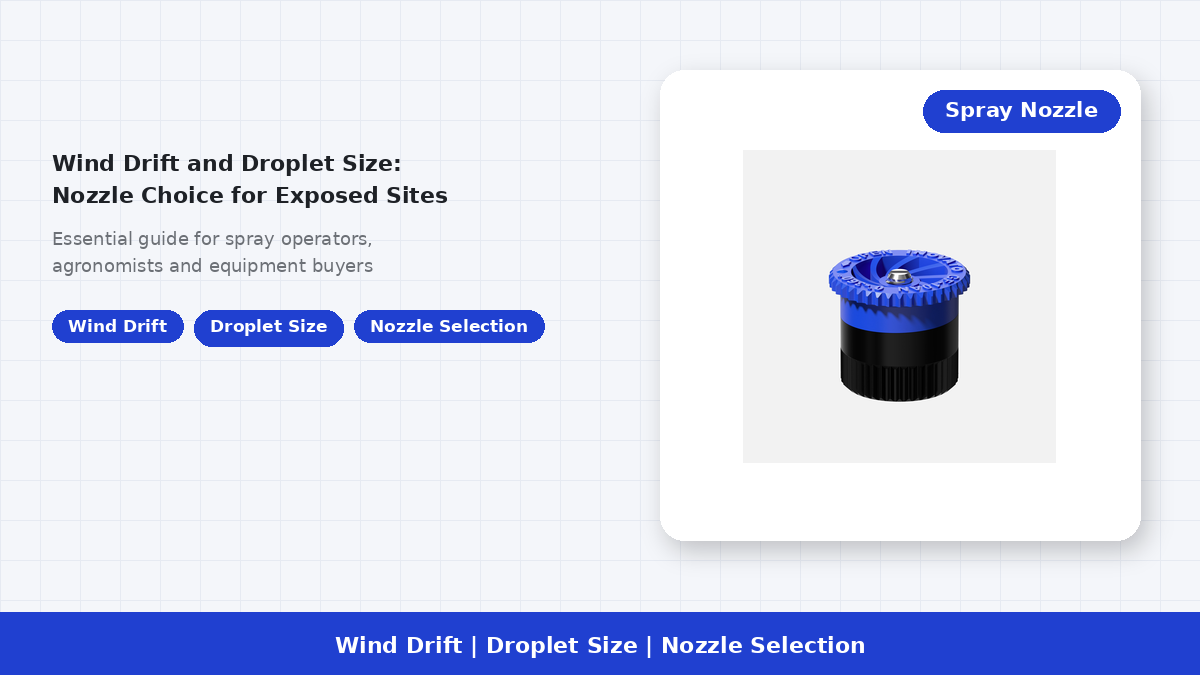
Inovato HF02 series Gear Drive Sprinkler — designed for landscape contractors specifying residential lawn irrigation systems.
Gear Drive vs. Spray Head vs. Impact: The Residential Sprinkler Performance Comparison
The sprinkler type selection for a residential lawn system determines water distribution uniformity, maintenance frequency, and long-term system performance. Each type has a defensible position in a system designer's portfolio, but the gear drive rotor occupies the highest specification share among professional landscape contractors for medium-to-large residential lawns.
For different field layouts, see our impact sprinkler and quick coupler ranges. The Irrigation Association's technical resources offer comprehensive guidance on sprinkler selection and system uniformity.
Gear drive rotors — the professional standard for residential lawns above 100 m²: The gear drive mechanism uses a water-driven turbine to turn a gear train that rotates the sprinkler head slowly (typically 0.25-0.5 revolutions per minute in full-circle operation). The slow rotation applies water at a precipitation rate of 10-15 mm per hour — close to the soil's infiltration rate for most residential lawn soil types (sandy loam: 15-25 mm/h, clay loam: 5-10 mm/h). This match between precipitation rate and infiltration rate minimizes runoff and deep percolation losses. The gear drive's matched precipitation rate across all radii and arc settings creates uniform distribution uniformity (DU) values of 0.75-0.85 — meaning the driest zone receives 75-85% of the average precipitation. Spray heads, by contrast, deliver 15-25 mm/h precipitation rates — often exceeding the soil infiltration rate — resulting in DU values of 0.60-0.70.
Fixed spray heads — the budget option for small zones: Fixed spray heads (pop-up spray nozzles) are the lowest-cost option per zone and remain appropriate for narrow strips (under 2.5 m width), small lawn areas (under 30 m²), and shrub beds where precision water placement matters more than uniformity. However, their high precipitation rate (15-25 mm/h) creates runoff on sloped lawns, and their fixed arc pattern (typically 90°, 180°, 270°, or 360°) cannot be adjusted without replacing the nozzle. For residential lawns above 100 m², the combination of low DU, high runoff potential, and inflexible arc adjustment makes spray heads the less preferred choice among professional contractors.
Impact sprinklers — the agricultural legacy in residential irrigation: Impact sprinklers deliver the longest throw distance (10-20 m radius) at the lowest precipitation rate (5-10 mm/h), and they are the most tolerant of dirty water — making them suitable for well-water systems with sand or sediment. However, their exposed mechanism is prone to vandalism and impact damage in residential settings, the rotating arm produces a distinct "chatter" noise that homeowners in quiet neighborhoods may find objectionable, and the single-stream pattern creates non-uniform distribution unless sprinklers are spaced at 50-60% of the diameter (closer spacing than gear drives).
For the typical residential lawn of 200-1,000 m², the HF02 series Gear Drive Sprinkler from Inovato delivers the best combination of coverage uniformity, application rate control, and homeowner aesthetics. OurHF02 gear drive sprinkler product line covers the residential and light commercial specification range.
Through-the-Top Arc Adjustment: Engineering the Contractor's Most Requested Feature
The through-the-top arc adjustment feature — the ability to change the sprinkler's coverage arc without removing the head from the ground — is the design feature that landscape contractors most consistently request when specifying gear drive rotors. The engineering challenge is creating a reliable adjustment mechanism that operates through the sprinkler's internal structure without compromising water seal integrity or gear train reliability.
The adjustment mechanism: The HF02 arc adjustment is actuated by inserting a flat-blade screwdriver into the center of the sprinkler head and turning the internal adjustment ring. The rotation of the ring moves a mechanical stop that limits the gear train's rotation range. The stop mechanism uses a spring-loaded pawl that engages with a 360° ratchet ring — each quarter-turn of the adjustment screw changes the arc by approximately 20°. The total adjustment range is 40° to 360° — meaning the contractor can set the sprinkler to cover a 40° wedge (for corner strips) through full-circle coverage (for center-of-lawn positions). The adjustment detent provides tactile feedback at 45° intervals so the contractor can set the arc without visual confirmation.
The seal challenge: The through-the-top adjustment mechanism creates a potential water leak path through the center of the sprinkler. The HF02 seal design uses a dual O-ring configuration (NBR 70 Shore A) surrounding the adjustment shaft, with a spring-loaded seal cap that maintains compression on the O-rings across the full operating pressure range (1.5-6.0 bar / 20-85 psi). The seal is tested to 500,000 adjustment cycles without leakage — representing 50+ years of typical term adjustment for a residential system.
The gear train protection: When the adjustment is actuated while the sprinkler is operating (water flowing through the gear train), the adjustment mechanism must not introduce debris into the gear train or damage the gear teeth. The HF02 design isolates the adjustment mechanism from the gear train chamber by a separating wall, with the adjustment force transmitted through a magnetic coupling — a feature that prevents any physical debris transfer between the adjustment shaft and the gear train. This is the key reliability advantage over competing designs where the adjustment mechanism operates directly on the gear train — those designs are prone to gear tooth damage when homeowners over-torque the adjustment screw.
Radius adjustment: In addition to arc adjustment, the HF02 includes a radius adjustment screw on the top of the head that reduces the throw distance by up to 25% by deflecting the nozzle stream — useful for matching the sprinkler's coverage to irregular lawn shapes without reducing the system pressure. The radius adjustment is independent of the arc adjustment — the contractor can set any arc pattern at any radius setting within the product's performance envelope.
Installation Best Practices: Residential Lawn Zone Design with Gear Drive Sprinklers
The specification of Gear Drive Sprinklers is only the first step — proper zone design determines whether the system achieves the theoretical DU values that the sprinkler is capable of delivering.
Spacing design: Gear drive rotors should be spaced at 50-60% of the published radius for residential systems — for an HF02 with 12 m radius at the specified pressure, the sprinkler spacing should be 6-7 m between heads. This spacing, called "head-to-head coverage," ensures that each point on the lawn receives water from at least two sprinklers, achieving the DU values of 0.75-0.85 that the gear drive design is capable of. Contractors who space heads at 70-80% of the radius (to reduce the number of heads per zone) achieve DU values of 0.55-0.65 — the same range as spray heads — negating the gear drive's uniformity advantage.
Pressure regulation:Gear Drive Sprinklers require a minimum operating pressure of 2.0 bar (30 psi) at the head inlet. For residential water supplies where the static pressure is below 4 bar (60 psi), the pressure drop through the zone valve, supply pipe, and fittings may bring the pressure at the last head below the minimum. We recommend that contractors calculate the pressure loss for the longest zone run (using the Hazen-Williams equation for the pipe size, flow rate, and pipe length) and confirm that the pressure at the most distant head is at least 2.0 bar with all heads operating. For systems where the calculated pressure falls below 2.0 bar, the contractor has three options: increase the zone supply pipe size by one nominal diameter, reduce the number of heads per zone, or specify the HF02-LP (low-pressure) nozzle set that operates at 1.5 bar minimum.
Nozzle selection by precipitation rate: The HF02 is supplied with interchangeable nozzle sets that determine the precipitation rate. The standard nozzle (green, 3.0 mm orifice) delivers 12 mm/h at 3.0 bar. The low-angle nozzle (red, 3.5 mm orifice) is for sloped lawns where runoff is a concern — it delivers 10 mm/h at 3.0 bar. The high-flow nozzle (blue, 4.0 mm orifice) covers large lawn zones at 15 mm/h. All nozzles in a zone must be the same type to maintain uniform precipitation — mixing standard and low-angle nozzles in the same zone creates dry spots at the low-angle heads and wet spots at the standard heads.
Winterization provision: For residential systems in climate zones with freeze risk, the sprinkler must be installed with a check valve (either integral to the head or installed at the riser) that prevents water from draining out of the lateral pipe through the lowest head after the system shuts off. The HF02 check valve option retains 2.1 m of head in the lateral pipe, preventing low-head drainage that would otherwise flood the low point of the lawn after each irrigation cycle.
OEM/ODM Sourcing: How Inovato Structures Supply Programs for Irrigation Distributors
Irrigation distributors and landscape supply chains sourcing Gear Drive Sprinklers for their contractor customer base require consistent product quality across production batches, packaging that supports retail display and contractor bulk purchasing, and technical documentation that contractors can reference during system design.
Volume pricing and MOQ: Our pricing structure for the HF02 series follows tiered brackets aligned to distributor order volumes. At 5,000-10,000 units per order (a typical annual volume for a regional irrigation distributor), the per-unit price is 15-20% below the base price. At 50,000+ units, the discount reaches 25-30%. The MOQ for standard-configuration HF02 units (no custom color or packaging) is 1,000 units per SKU. For custom color or private label packaging, the MOQ is 3,000 units per color/SKU.
Quality consistency:The critical quality parameter for Gear Drive Sprinklers is gear train torque consistency — the force required to rotate the sprinkler head. Torque variation between units in the same zone results in different rotation speeds, which produce uneven water distribution. We hold gear train torque to ±5% of the specification through 100% in-process torque testing on the assembly line. The gear train components (turbine, gear, and shaft) are molded from acetal copolymer (POM) reinforced with 20% PTFE for self-lubricating wear resistance, eliminating the need for grease-packed gear trains that attract debris and degrade over time.
Technical documentation: Each HF02 shipment includes: performance data sheet (radius, flow rate, and precipitation rate at 1.5, 2.0, 2.5, 3.0, 4.0, and 5.0 bar), installation manual with spacing and pressure recommendations, arc and radius adjustment instructions with illustrations, and warranty documentation (5-year limited warranty on the gear drive mechanism, 1-year on the seal assembly). Distributors receive digital copies for their contractor training programs.
Packaging options: Standard packaging is individual polybag with header card (contractor retail display) or bulk carton of 50 units (distributor bulk supply). For distributor private label programs, we offer custom packaging with the distributor's branding, barcode, and product specifications printed on the box.
Q&A: Contractor and Distributor Considerations for Gear Drive Sprinkler Specification
Q1: What is the main maintenance requirement for Gear Drive Sprinklers?
A: The primary maintenance item is the filter screen at the base of the sprinkler — a stainless steel 80-mesh (180 µm) screen that prevents sand and debris from entering the gear train. In sandy soil conditions or well-water systems with sediment, the screen should be cleaned every 6-12 months by flushing the head — operating the zone and unscrewing the head cap to let water flow through the base and flush accumulated debris out through the screen opening. Beyond filter cleaning, the sealed gear train requires no maintenance for the product's service life.
Q2: Can Gear Drive Sprinklers be mixed with spray heads on the same zone?
A: No — gear drive rotors and spray heads have fundamentally different precipitation rates (12-15 mm/h for rotors vs. 20-25 mm/h for sprays). Mixing them on the same zone creates wet spots at the spray heads and dry spots at the rotors. Each type requires a separate zone with its own valve and controller program.
Q3: What is the typical service life of an HF02 gear drive sprinkler in a residential system?
A: In a standard residential lawn system operating at 2-4 bar with filtered municipal water, the HF02 gear train is designed for 10,000+ operating hours — equivalent to 15-20 years of residential service at 45 minutes per cycle, 3 cycles per week, 6 months per year. The seal assembly (dual O-rings) should be replaced at year 5-7 as preventive maintenance. The nozzle and adjustment mechanism are designed for the full product service life.
Q4: What is the MOQ for a distributor's first order of HF02 sprinklers?
A: Our distributor MOQ is 1,000 units across 2-3 SKUs (full circle, adjustable arc, and one radius variant). We offer free sample sets (6 units covering the standard configuration range) for distributor evaluation and contractor training before the commitment.
Q5: Does the HF02 work with smart irrigation controllers?
A: Yes — the HF02 operates with any standard 24V AC irrigation controller. The sprinkler itself has no electrical components. Smart controllers that use weather data or soil moisture sensors to adjust watering schedules are compatible with HF02 zones, as long as the controller's flow rate output matches the HF02's flow demand (0.3-1.2 m³/h depending on nozzle size — consult the performance data sheet for the specific nozzle configuration).